Memory changes are a common part of aging, but not all forgetfulness signals disease. Understanding why memory declines with age helps distinguish normal brain aging from concerning cognitive problems. In most cases, these changes reflect normal brain aging rather than serious neurological disease.
Key Takeaways
- Memory decline with age is mainly caused by brain structure changes, slower neural communication, and reduced blood flow.
- Slower recall is often mistaken for memory loss.
- Lifestyle factors strongly influence how quickly memory changes occur.
- Normal aging does not disrupt independence or daily functioning.
- Exercise, sleep, stress management, and learning protect memory.
- Cardiovascular and metabolic health directly affect brain function.
- Early lifestyle habits provide greater long-term protection than late interventions.
What Does “Memory Decline” Actually Mean?
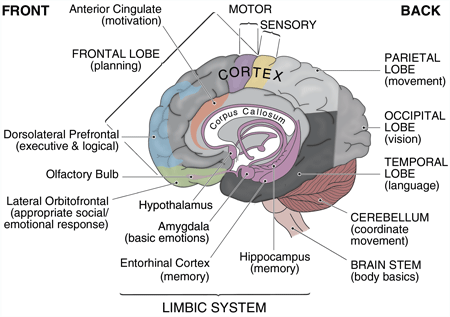
Before examining causes, it’s important to clarify what people mean by “memory decline.” Many adults assume that forgetting names or struggling to recall details means memories are disappearing, but in reality, aging usually affects access speed rather than storage. Memory involves encoding, storage and retrieval, and aging primarily slows retrieval, meaning information is often still present but takes longer to reach conscious awareness. This is why older adults frequently remember details later or with prompts, and understanding this distinction helps reduce unnecessary fear and interpret everyday lapses more accurately.
When Does Memory Decline Start?
Memory decline does not begin at a fixed age. Subtle changes can appear as early as midlife, often in the 40s or 50s, but how quickly they progress varies widely based on genetics, overall health, sleep quality, stress levels, and lifestyle habits. Importantly, aging does not automatically lead to memory impairment and many people maintain strong cognitive abilities well into later life, especially when they stay physically active, mentally engaged, and socially connected.
6 Core Reasons Memory Declines With Age
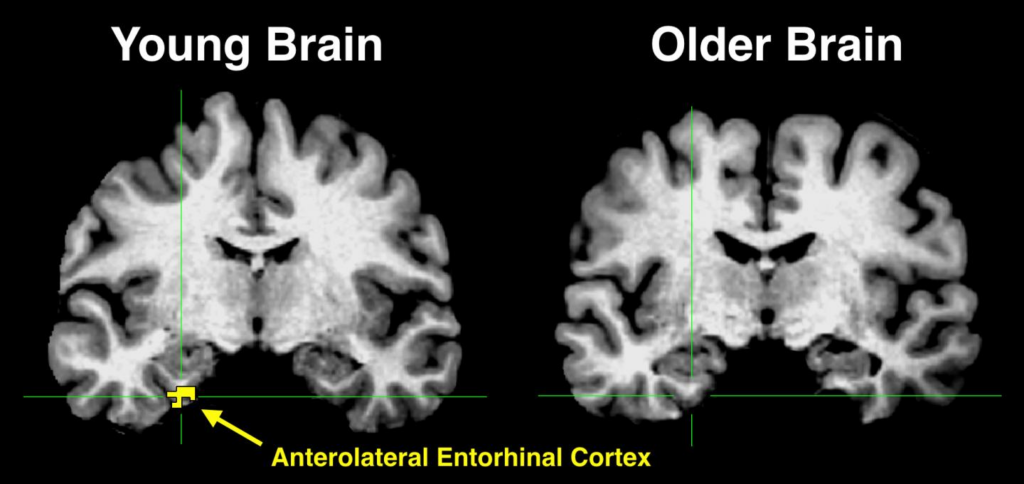
Age-related memory decline is primarily driven by biological changes in brain structure, communication, and energy supply. These mechanisms form the foundation of cognitive aging.
Structural Changes in the Aging Brain
As people age, certain brain regions gradually shrink. The hippocampus, which plays a key role in forming and storing memories, becomes smaller over time. The prefrontal cortex, responsible for working memory and decision-making, also loses volume. These changes make it harder to encode and retrieve new information, even though existing knowledge often remains intact.
Reduced Neural Connectivity
Memory depends on strong connections between neurons. Aging reduces the number and strength of these connections, slowing communication between brain regions. As a result, memories may feel harder to access even when they remain stored.
Slower Information Processing Speed
Processing speed naturally declines with age. The brain takes longer to interpret, organize, and retrieve information. This delay often feels like memory loss, even though the information is still present.
Neurotransmitter Decline
Neurotransmitters such as dopamine and acetylcholine are essential for attention and learning. With age, production of these chemicals decreases. Lower neurotransmitter levels reduce focus, learning efficiency, and short-term memory performance.
Decreased Blood Flow and Oxygen to the Brain
Aging blood vessels become less flexible and efficient. Reduced blood flow means fewer nutrients and less oxygen reach the brain. Over time, this affects neuron health and increases the risk of cognitive decline, especially in people with cardiovascular conditions.
Inflammation and Oxidative Stress
Chronic low-grade inflammation increases with age. Oxidative stress damages brain cells and disrupts neural signaling. These processes accelerate memory decline and link lifestyle factors such as diet and physical activity to brain aging.
Is Memory Decline Normal or a Sign of Something Serious?
Because memory changes are emotionally charged, distinguishing normal aging from concerning symptoms is essential. Normal memory aging does not disrupt independence or daily life. Not everyone ages cognitively at the same pace. Lifestyle habits and medical conditions significantly influence how quickly memory changes occur.
Normal Aging vs Concerning Memory Loss
| Feature | Normal Aging | Concerning Memory Loss |
| Recall speed | Slower | Severely impaired |
| Daily functioning | Independent | Needs assistance |
| Awareness of lapses | Present | Often absent |
| Response to cues | Improves recall | No improvement |
| Progression | Stable | Worsens over time |
Lifestyle Factors That Accelerate Memory Decline
Poor Sleep and Memory Consolidation
Sleep is critical for memory consolidation. Deep sleep helps store information, while REM sleep strengthens emotional and procedural memories. Aging often reduces sleep quality, which directly impacts memory formation and recall.
Chronic Stress and Cortisol Effects
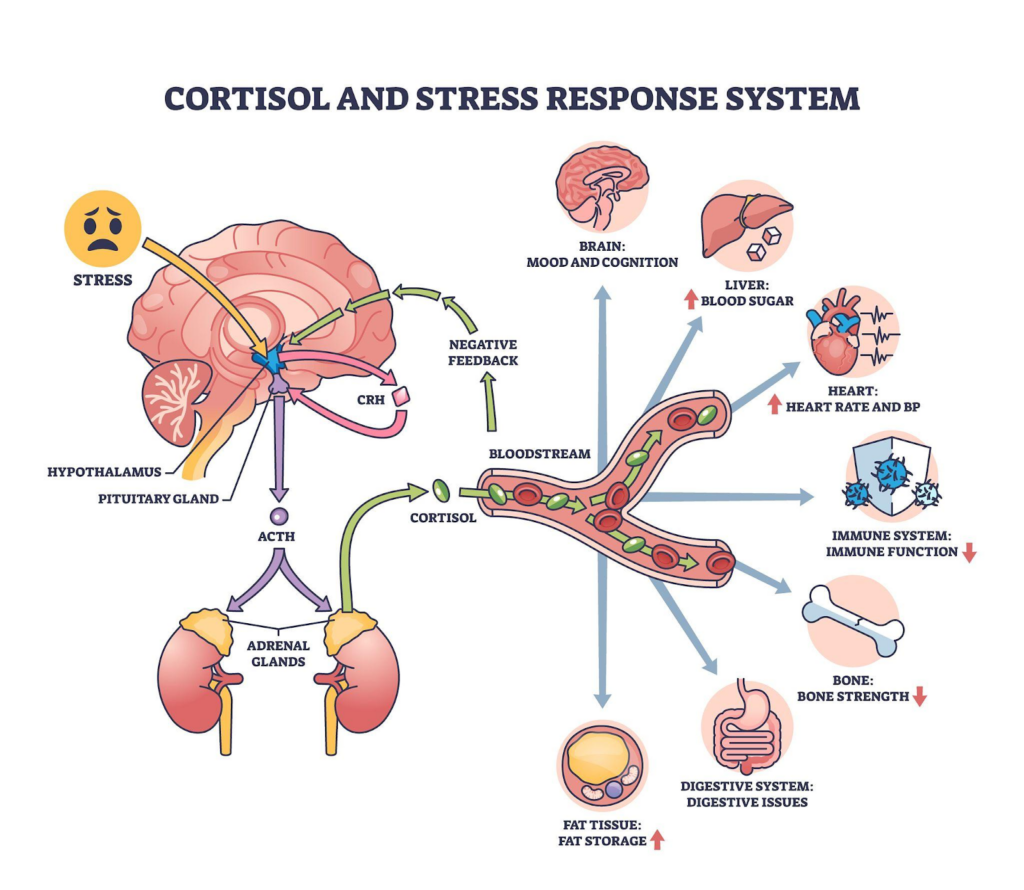
Long-term stress increases cortisol levels. Elevated cortisol damages the hippocampus and interferes with learning. Chronic stress also reduces attention and mental clarity.
Physical Inactivity
Exercise supports brain health by increasing blood flow and promoting the growth of new neurons. Sedentary behavior deprives the brain of these benefits and accelerates cognitive decline.
Poor Diet and Nutrient Deficiencies
Diets low in antioxidants, omega-3 fatty acids, and B vitamins increase inflammation and oxidative stress. These processes damage brain cells and impair memory.
Medical Conditions Linked to Memory Decline
Several health conditions increase the risk of memory problems.
- Cardiovascular Disease and Hypertension: High blood pressure and atherosclerosis reduce blood flow to the brain. This damage contributes to vascular cognitive impairment and memory problems.
- Diabetes and Insulin Resistance: Poor blood sugar control affects the brain’s ability to use glucose efficiently. Over time, this impairs memory and increases dementia risk.
- Depression and Anxiety: Mood disorders affect concentration, motivation, and memory. Treating mental health conditions often improves cognitive performance.
How to Slow Down Memory Decline With Age?
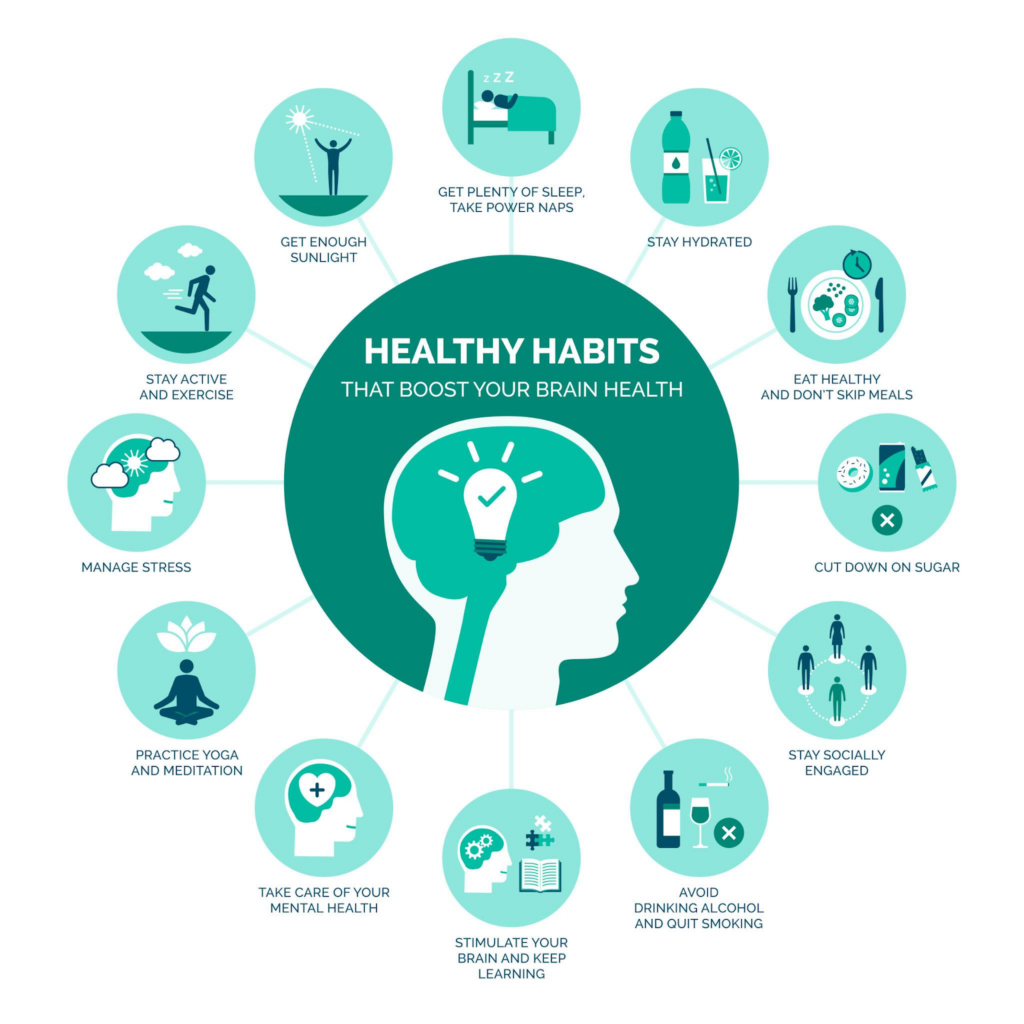
While aging cannot be stopped, memory decline can be slowed. Consistent lifestyle habits work together to protect brain health.
Exercise and Brain Health
Regular aerobic and strength exercise improves blood flow, supports neurotransmitter balance, and promotes the growth of new neurons. Even moderate activity provides measurable cognitive benefits.
Mental Stimulation and Learning
Challenging the brain through learning new skills, reading, problem-solving, and engaging hobbies strengthens cognitive reserve. Passive activities offer less protection than mentally demanding ones.
Sleep and Stress Management
Consistent sleep schedules support memory consolidation. Stress-reduction techniques such as mindfulness, relaxation, and enjoyable social activities lower cortisol and protect the hippocampus.
Nutrition for Cognitive Aging
Diets rich in fruits, vegetables, whole grains, healthy fats, and omega-3 fatty acids reduce inflammation and oxidative stress, supporting long-term brain health.
When to See a Doctor About Memory Changes
Mild memory lapses are a normal part of aging and usually are not a cause for concern. Still, if memory changes feel persistent or begin to affect daily routines, talking with a healthcare professional can be helpful. A doctor can offer reassurance, identify treatable causes, and provide guidance on supporting brain health. Early conversations are often comforting and can help people feel more confident and informed about their cognitive health.
Frequently Asked Questions About Memory Decline
At what age does memory decline start?
Subtle changes may begin in midlife, but noticeable decline varies widely.
Does everyone experience memory loss as they age?
No. Many people maintain strong memories well into later life.
Can memory improve after 60?
Yes. Exercise, learning, and proper medical care can improve memory at any age.
Is memory decline a sign of dementia?
Most age-related memory changes are normal. Dementia causes progressive impairment that interferes with daily functioning.
Conclusion
Memory decline with age is largely driven by normal changes in brain structure, neural communication, blood flow, and chemical signaling. Slower recall and occasional forgetfulness are common parts of healthy aging and do not automatically indicate cognitive disease. However, lifestyle factors such as poor sleep, chronic stress, physical inactivity, and unmanaged health conditions can accelerate memory decline. The brain remains adaptable throughout life, and research shows that regular physical activity, mental stimulation, social engagement, proper nutrition, and stress management can help preserve cognitive function. By understanding what is normal, recognizing warning signs, and adopting brain-healthy habits early, individuals can protect memory, maintain independence, and support long-term brain health as they age.
References
- Alzheimer’s Association. Normal Aging vs Dementia
https://www.alz.org/alzheimers-dementia/what-is-dementia/related_conditions - National Institute on Aging. What Happens to the Brain as We Age
https://www.nia.nih.gov/health/what-happens-brain-aging - Harvard Medical School. Memory and Aging
https://www.health.harvard.edu/mind-and-mood/memory-and-aging - World Health Organization. Risk Reduction of Cognitive Decline and Dementia
https://www.who.int/publications/i/item/WHO-MSD-MER-17.5 - Mayo Clinic. Memory Loss and Aging
https://www.mayoclinic.org/healthy-lifestyle/healthy-aging/in-depth/memory-loss/art-20046326 - National Institutes of Health. Neuroplasticity and Aging
https://www.ncbi.nlm.nih.gov/pmc/articles/PMC6128435/