Anxiety is more than just a mental hurdle. It is a physiological state that can significantly influence your cardiovascular health. While occasional worry is a natural part of life, chronic anxiety keeps the body in a prolonged state of fight or flight. This potentially leads to long-term cardiac strain. Understanding how to manage physical tension associated with stress is the first step in protecting your heart from the invisible damage of persistent unease.+1
Key Takeaways
- The Stress Connection: Chronic anxiety elevates cortisol and adrenaline, which can increase heart rate and blood pressure.
- Structural Impact: Over time, untreated anxiety may contribute to arterial inflammation and reduced heart rate variability.
- Lifestyle Interplay: Anxiety often leads to poor sleep and physical inactivity, both of which are major risk factors for heart disease.
- Prevention is Key: Early intervention through mindfulness, exercise, and medical support can reverse many physiological stress markers.
- Mind-Body Link: Managing mental health is as foundational to heart health as diet and cholesterol management.
What is the Anxiety-Heart Connection?
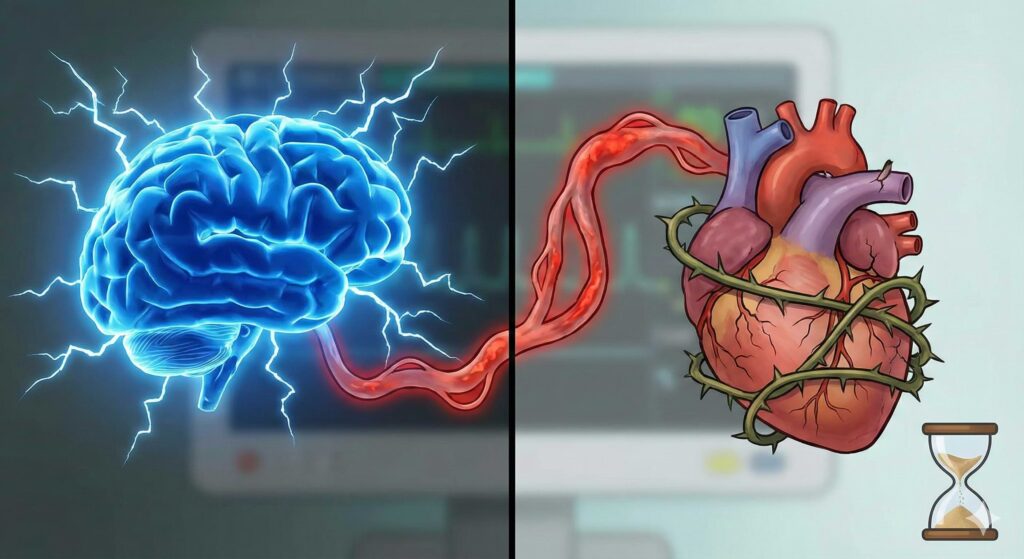
The link between your mind and your heart is bidirectional and deeply physical. When you experience anxiety, your amygdala, the brain's emotional processing center, sends a distress signal to the hypothalamus. This triggers the adrenal glands to flood the bloodstream with hormones. While this response is life-saving in a true emergency, running this program daily causes the heart to work harder than necessary. It is not just a feeling. It is a systemic biological event that affects everything from your pulse to your blood's clotting ability.
Common Ways Anxiety Affects the Heart
Identifying how stress manifests physically is crucial for preventing long-term damage and maintaining mental clarity.
- Increased Heart Rate: Persistent anxiety causes tachycardia or a fast heart rate. This can wear down the heart muscle over years.
- High Blood Pressure: Frequent spikes in blood pressure during anxious episodes can damage the linings of the arteries.
- Reduced Heart Rate Variability: Anxiety often lowers HRV, which is a key marker of how well your heart responds to environmental changes and stress.
- Inflammation: Chronic stress triggers an inflammatory response in the body. This is a known precursor to plaque buildup in the arteries.
- Coronary Spasms: Intense emotional stress can cause temporary contractions of the heart's arteries, which restricts blood flow.
7 Ways to Protect Your Heart from Anxiety Fast
When your heart starts racing due to stress, these methods can help calm your nervous system and reduce immediate cardiac strain.
1. Practice Vagus Nerve Stimulation
The vagus nerve is the main component of the parasympathetic nervous system. It is responsible for the rest and digest response. Stimulating it can instantly slow your heart rate.
- How to Do It: Splash ice cold water on your face or hum loudly for two minutes. These physical vibrations and temperature shifts signal the heart to slow down.
2. Utilize the 4-7-8 Breathing Technique
Rhythmic breathing is the most direct way to control your autonomic nervous system.
- How to Do It: Inhale for 4 seconds, hold for 7, and exhale forcefully for 8. This ensures you are expelling CO2 and forcing your heart into a calmer rhythm.
3. Prioritize Magnesium Intake
Magnesium is a natural calcium channel blocker. This helps the heart and blood vessels relax.
- How to Do It: Eat magnesium rich foods like pumpkin seeds or spinach. You can also consult a doctor about magnesium taurate, which is a form specifically noted for cardiovascular support.+1
4. Grounding Through Physical Movement
Anxiety often traps you in your head. Movement forces your blood flow away from the threat sensing brain and toward the muscles.
- How to Do It: Engage in a 10 minute walk where you can still hold a conversation. This stabilizes your heart rate without adding the stress of high intensity exercise.
5. Optimize Your Sleep Environment
Sleep is when the heart recovers. Anxiety induced insomnia prevents the blood pressure dip that occurs during rest. This dip is vital for heart health.
- How to Do It: Maintain a cool room at 18 degrees Celsius. Avoid screens an hour before bed to ensure your heart reaches deep restorative stages of sleep.
6. Reduce Stimulant Dependency
Caffeine and nicotine mimic anxiety symptoms and put extra load on the heart.
- How to Do It: Switch to herbal teas or decaf coffee. Reducing these false stressors makes it easier for your body to manage real emotional anxiety.
7. Foster Social Co-regulation
Humans are social creatures. Talking to a trusted friend can literally lower your blood pressure through the release of oxytocin.
- How to Do It: Reach out for a 15 minute conversation. Co-regulation helps your nervous system return to a baseline state faster than isolating.
Medical Conditions Linking Mind and Heart
Anxiety often co-exists with or mimics other serious conditions.
| Condition | Relationship to Anxiety |
| Atrial Fibrillation | Stress can trigger irregular heart rhythms in susceptible individuals |
| Broken Heart Syndrome | Extreme emotional stress causes temporary enlargement of the heart's main chamber |
| Hypertension | Chronic anxiety is a leading secondary cause of sustained high blood pressure |
| Metabolic Syndrome | Anxiety induced cortisol spikes contribute to belly fat and insulin resistance |
Best Foods for a Calm Heart and Mind
Your diet can act as a buffer against the physical effects of stress.
- Fatty Fish: Rich in Omega 3s that reduce arterial inflammation.
- Berries: High in antioxidants that protect the heart from oxidative stress caused by cortisol.
- Oatmeal: Provides complex carbohydrates that help the brain produce serotonin.
- Walnuts: Contain alpha linolenic acid which supports healthy blood pressure levels during stress.
Long-Term Strategies for Prevention
- Regular Aerobic Exercise: Strengthens the heart so it handles anxiety induced spikes more efficiently.
- Cognitive Behavioral Therapy: Rewires the brain to stop seeing every worry as a physical threat.
- Routine Heart Screenings: If you suffer from chronic anxiety, regular EKG or blood pressure checks are essential for peace of mind.
When to See a Doctor
Seek medical help if your anxiety is accompanied by:
- Chest pain or tightness that radiates to the jaw or arm.
- Shortness of breath that does not resolve with deep breathing.
- Fainting spells or extreme dizziness during an anxious episode.
- A resting heart rate that remains consistently above 100 BPM.
7-Day Heart-Healthy and Anxiety-Reducing Meal Plan
This meal plan focuses on nutrient-dense foods that stabilize blood sugar, reduce systemic inflammation, and provide the raw materials your brain needs to produce calming neurotransmitters like serotonin and GABA.
Day 1: Foundation of Omega-3s
- Breakfast: Overnight oats with chia seeds, crushed walnuts, and a handful of blueberries.
- Lunch: Quinoa salad with chickpeas, cucumbers, cherry tomatoes, and a lemon-tahini dressing.
- Dinner: Baked salmon seasoned with dill and lemon, served with a side of steamed asparagus and brown rice.
- Snack: A small orange or a clementine.
Day 2: Magnesium Support
- Breakfast: Two poached eggs on whole-grain toast with a side of sautéed spinach.
- Lunch: Lentil soup with carrots, celery, and a touch of turmeric for anti-inflammatory benefits.
- Dinner: Grilled chicken breast with a large side of roasted sweet potatoes and broccoli.
- Snack: A handful of dry-roasted pumpkin seeds.
Day 3: Sustained Energy
- Breakfast: Greek yogurt topped with ground flaxseeds and sliced strawberries.
- Lunch: Tuna salad made with olive oil and mustard, served in large lettuce wraps.
- Dinner: Whole-wheat pasta with a homemade tomato and basil sauce, topped with lean ground turkey.
- Snack: Apple slices with a tablespoon of almond butter.
Day 4: Plant-Based Calm
- Breakfast: Smoothie made with spinach, one frozen banana, a scoop of pea protein, and almond milk.
- Lunch: Black bean and corn salad with avocado slices and a lime-cilantro dressing.
- Dinner: Stuffed bell peppers with quinoa, diced vegetables, and a sprinkle of feta cheese.
- Snack: One ounce of dark chocolate (70% or higher cacao).
Day 5: Cardiovascular Protection
- Breakfast: Steel-cut oats with hemp seeds and a pinch of cinnamon.
- Lunch: Turkey and avocado sandwich on sprouted grain bread with mixed greens.
- Dinner: Baked cod with a crust of crushed walnuts and herbs, served with sautéed kale.
- Snack: A cup of green tea and a small pear.
Day 6: Inflammation Reset
- Breakfast: Scrambled tofu or eggs with bell peppers, onions, and nutritional yeast.
- Lunch: Roasted beet and goat cheese salad with walnuts and balsamic vinaigrette.
- Dinner: Lean beef or bison stir-fry with snap peas, bok choy, and ginger over buckwheat noodles.
- Snack: A handful of raw cashews.
Day 7: Recovery and Rest
- Breakfast: Whole-grain pancakes topped with mashed raspberries and a drizzle of honey.
- Lunch: Mediterranean plate with hummus, whole-wheat pita, olives, and grilled zucchini.
- Dinner: Slow-cooked vegetable stew with potatoes, beans, and plenty of fresh herbs.
- Snack: Celery sticks with sunflower seed butter.
Essential Guidelines for Success
- Hydration: Drink at least 2 liters of water daily. Dehydration mimics the physical symptoms of anxiety.
- Caffeine Timing: Limit coffee or caffeinated tea to the morning hours to protect your sleep cycle.
- Blood Sugar: Avoid skipping meals. Stable blood sugar prevents the cortisol spikes that trigger heart palpitations.
Heart-Healthy and Anxiety-Reducing Grocery List
This list is organized by grocery store sections to help you navigate efficiently. It covers all ingredients needed for the 7-day meal plan.
Produce (Fruits and Vegetables)
- Leafy Greens: Spinach (large bag), kale, mixed greens, bok choy.
- Vegetables: Broccoli, asparagus, sweet potatoes (3 to 4), bell peppers (red, yellow, green), carrots, celery, cucumbers, cherry tomatoes, beets, zucchini, onions, snap peas, ginger root, garlic.
- Fruits: Blueberries (fresh or frozen), strawberries, raspberries, bananas (7), apples (3 to 4), oranges or clementines, pears (2), lemons (3 to 4), limes (2).
- Fats: Avocado (2 to 3).
- Herbs: Fresh dill, basil, cilantro.
Proteins (Meat, Fish, and Plant-Based)
- Fish: Salmon fillets (2), cod fillets (2), canned tuna (2 cans).
- Meat: Chicken breast (1 lb), lean ground turkey (1 lb), lean beef or bison (0.5 lb).
- Plant-Based: Eggs (1 dozen), firm tofu (1 block), hummus (1 tub).
- Dairy/Alternatives: Greek yogurt (large tub), almond milk (unsweetened), feta cheese, goat cheese.
Grains, Legumes, and Pantry
- Grains: Old fashioned oats (or steel cut), quinoa, brown rice, whole-wheat pasta, buckwheat noodles (soba), sprouted grain bread, whole-wheat pita, whole-grain flour (or pancake mix).
- Legumes: Chickpeas (1 can), lentils (1 can or dry), black beans (1 can).
- Nuts and Seeds: Walnuts, chia seeds, ground flaxseeds, hemp seeds, pumpkin seeds (pepitas), raw cashews, almond butter, sunflower seed butter.
- Baking and Spices: Turmeric, cinnamon, honey, mustard, nutritional yeast, vanilla protein powder (optional).
Oils, Vinegars, and Snacks
- Oils: Extra virgin olive oil.
- Vinegars: Apple cider vinegar, balsamic vinaigrette, tahini.
- Snacks: Dark chocolate (70% or higher cacao).
- Beverages: Green tea, herbal teas (chamomile or peppermint).
Shopping Tips for Mental Clarity
- Shop the Perimeter: Most heart-healthy whole foods are located on the outer edges of the store.
- Check Labels: Avoid items with added sugars or high sodium, as these can trigger heart palpitations and anxiety spikes.
- Frozen is Fine: Frozen berries and vegetables are just as nutritious as fresh and often more affordable.
The Biological Feedback Loop Between Heart and Mind
The relationship between anxiety and heart health is defined by a continuous feedback loop. While many believe the brain holds total control, the heart actually sends more signals to the brain than it receives. These signals travel through the vagus nerve, which acts as a primary information highway for the body.
When you experience chronic anxiety, your heart rhythm becomes disordered and jagged. The heart communicates this physical turbulence to the emotional centers of the brain, specifically the amygdala. This triggers a state known as an amygdala hijack, where the brain perceives a constant threat. This process effectively shuts down the prefrontal cortex, the area responsible for logic and clear decision making.
This explains why anxiety often leads to profound brain fog. Your brain is so focused on the heart's distress signals that it lacks the resources for complex thought. By understanding this loop, you can see that calming the heart is a physical requirement for clearing the mind. Breaking this cycle through the methods listed below prevents the heart from remaining in a state of high pressure and reduces long term structural wear.
Conclusion
Anxiety does not have to be a death sentence for your heart. While the link between mental stress and cardiac health is real, it is also manageable. By implementing quick relief techniques like deep breathing and long term habits like proper nutrition and exercise, you can shield your cardiovascular system from the effects of stress. Protecting your heart starts with calming your mind. Take small steps today to lower your physiological background noise, and your heart will reap the benefits for years to come.