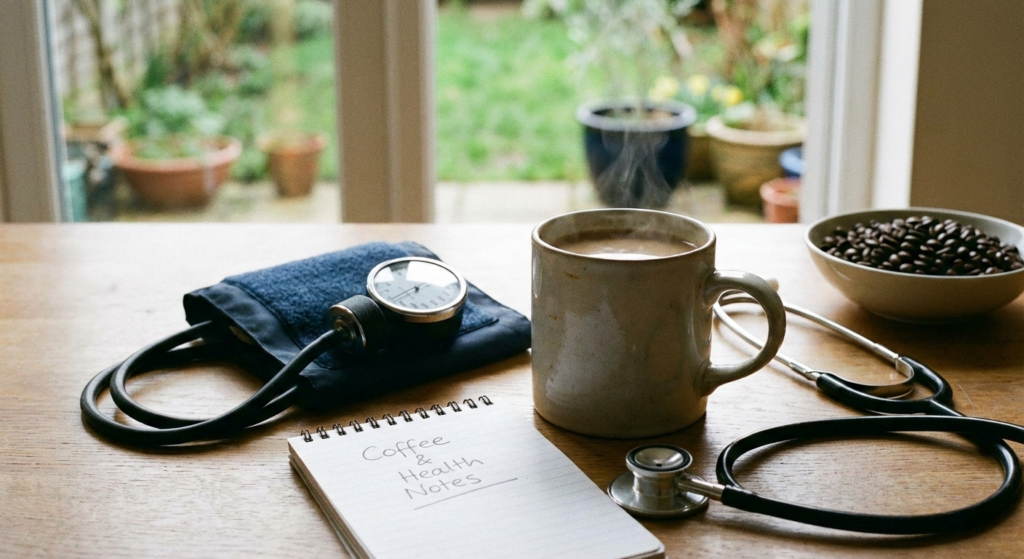
Coffee is one of the most widely consumed beverages in the world, yet many people worry about its effect on blood pressure. Does coffee cause hypertension? Is it safe if you already have high blood pressure? The truth is more nuanced than most headlines suggest. While caffeine can temporarily raise blood pressure, moderate coffee consumption is generally safe for most people and may even offer cardiovascular benefits. Understanding how coffee affects your body helps you make informed decisions without unnecessary fear.
Key Takeaways
- Caffeine can cause a short-term rise in blood pressure, especially in non-regular drinkers
- Habitual coffee drinkers often develop tolerance to caffeine’s blood pressure effects
- Moderate intake (1–3 cups daily) is generally safe for most people with controlled hypertension
- Excessive coffee, energy drinks, or sugary coffee beverages may worsen blood pressure
- People with uncontrolled hypertension or caffeine sensitivity should monitor their response
- Persistent high blood pressure requires medical management, not just dietary adjustments
What is Hypertension?
Hypertension (high blood pressure) occurs when the force of blood pushing against your artery walls remains consistently too high. Over time, this damages blood vessels and increases the risk of heart attack, stroke, kidney disease, and other complications. According to the American Heart Association, normal blood pressure is below 120/80 mmHg, while readings consistently at or above 130/80 mmHg are classified as hypertension. Hypertension is often called the “silent killer” because it usually has no obvious symptoms until serious damage occurs.
How Coffee Affects Blood Pressure
Coffee contains caffeine, a natural stimulant that affects the central nervous system. Caffeine influences blood pressure in several ways:
- Blocks adenosine receptors, increasing alertness
- Stimulates adrenaline release, temporarily raising heart rate
- Causes mild blood vessel constriction, increasing pressure
For people who rarely consume caffeine, blood pressure can rise by 5–10 mmHg within 30–60 minutes after drinking coffee. This effect usually lasts 3–4 hours.
However, regular coffee drinkers often develop tolerance, meaning the blood pressure spike becomes smaller over time.
Does Coffee Cause Long-Term Hypertension?
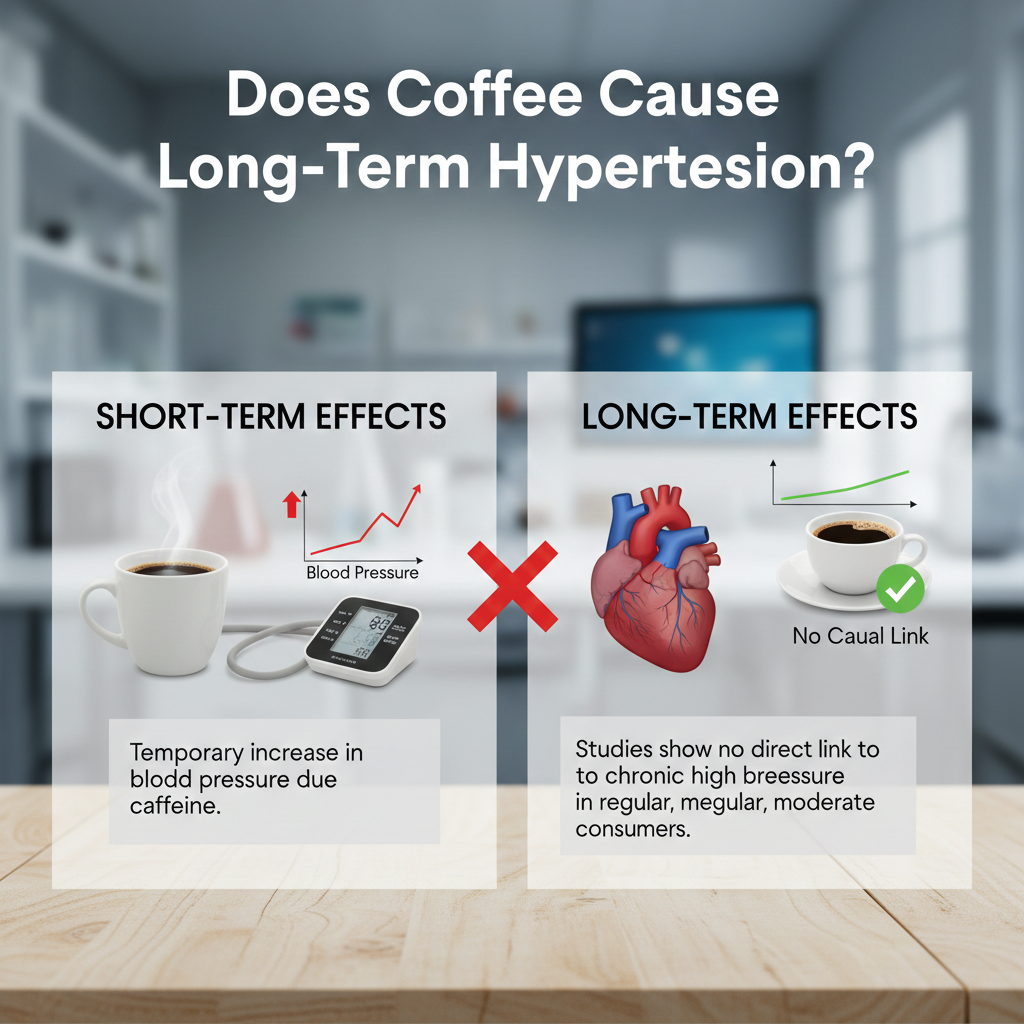
Large population studies suggest that moderate coffee consumption does not significantly increase the risk of developing chronic hypertension in most healthy adults. Some research even shows a neutral or slightly protective cardiovascular effect due to antioxidants in coffee.
Coffee contains compounds such as chlorogenic acids, which may improve blood vessel function and reduce inflammation. This could offset caffeine’s short-term pressure-raising effects.
However, results vary depending on genetics, overall diet, stress levels, and existing health conditions.
Who Should Be Careful With Coffee?
While moderate coffee is safe for many people, certain individuals should be cautious:
- People with uncontrolled hypertension
- Individuals highly sensitive to caffeine
- Those with anxiety disorders (caffeine can increase stress hormones)
- People who consume energy drinks or very high caffeine doses
- Individuals with certain heart rhythm disorders
If your blood pressure consistently spikes after coffee, you may need to reduce intake or switch to decaffeinated options.
7 Ways to Drink Coffee More Safely if You Have Hypertension
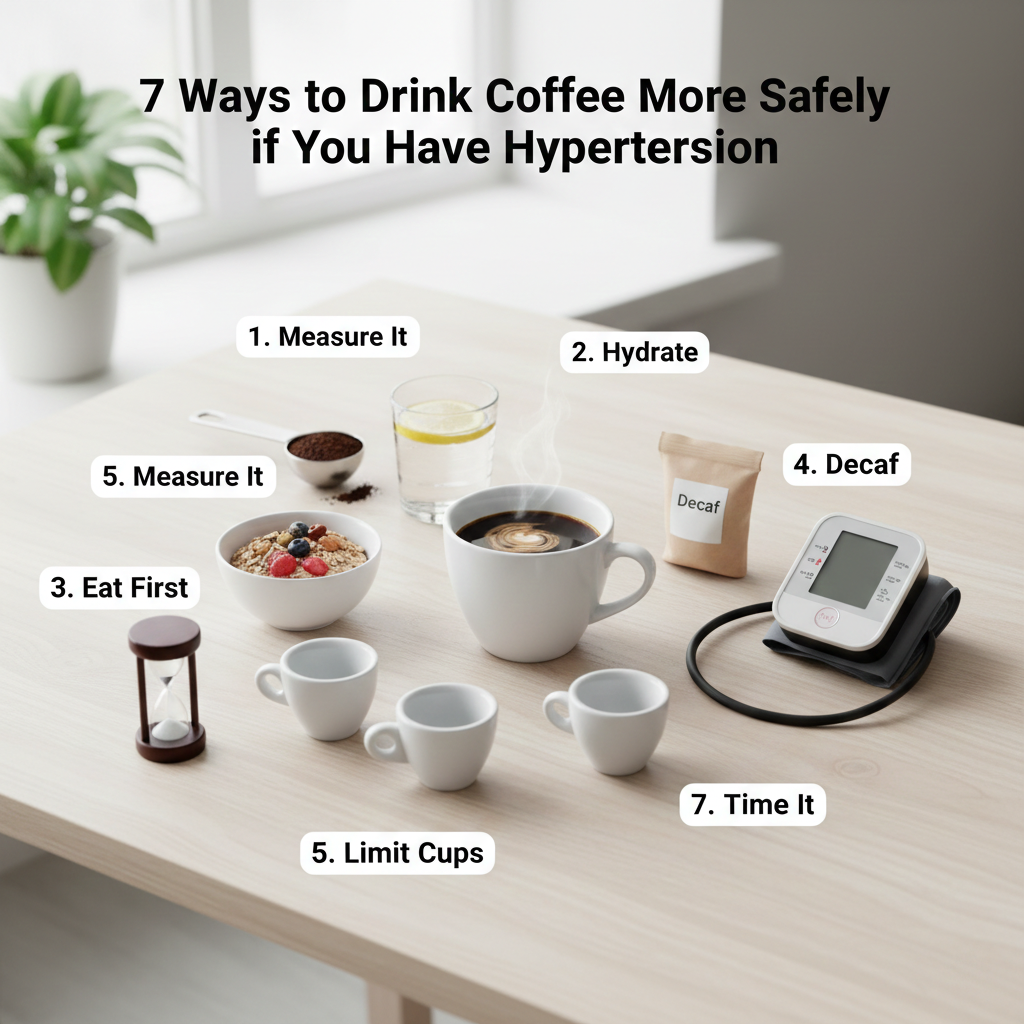
1. Monitor Your Blood Pressure Response
Measure your blood pressure before drinking coffee and again 30–60 minutes afterward. This helps determine your personal sensitivity.
2. Limit to 1–2 Cups Daily
Moderate intake (100–200 mg caffeine) is generally well tolerated in people with controlled blood pressure.
3. Avoid Drinking Coffee Late in the Day
Caffeine can disrupt sleep, and poor sleep contributes to higher blood pressure.
4. Choose Black Coffee Over Sugary Drinks
High-sugar coffee beverages increase insulin resistance and weight gain, both of which worsen hypertension risk.
5. Consider Decaffeinated Coffee
Decaf provides antioxidants with minimal caffeine effect on blood pressure.
6. Stay Hydrated
Caffeine has mild diuretic effects. Proper hydration supports healthy circulation.
7. Balance With a Heart-Healthy Lifestyle
Regular exercise, stress management, and a diet rich in fruits, vegetables, and healthy fats are far more important for blood pressure control than eliminating coffee alone.
Coffee vs. Energy Drinks
Energy drinks often contain caffeine levels equal to 2–3 cups of coffee plus added sugar and stimulants. These can cause more dramatic blood pressure spikes compared to traditional brewed coffee.
For example, a standard brewed coffee contains around 80–100 mg caffeine per cup, while some energy drinks exceed 200–300 mg per serving.
Medical Conditions Linked to Caffeine Sensitivity
Certain conditions may amplify caffeine’s cardiovascular effects:
| Condition | Why It Matters |
|---|---|
| Anxiety Disorders | Caffeine increases adrenaline and may worsen symptoms |
| Arrhythmias | Stimulant effects may trigger palpitations |
| Pregnancy | Excess caffeine may affect fetal development |
| Chronic Kidney Disease | Blood pressure control is critical |
| Sleep Disorders | Poor sleep increases hypertension risk |
If you have these conditions, consult your doctor before increasing caffeine intake.
Myths and Facts About Coffee and Blood Pressure
| Myth | Fact |
|---|---|
| Coffee causes permanent hypertension | It causes temporary spikes, not necessarily chronic hypertension |
| People with high blood pressure must quit coffee entirely | Many can safely drink moderate amounts |
| Decaf has no health benefits | Decaf still contains antioxidants |
| All caffeine sources affect blood pressure the same | Dose and delivery matter; energy drinks are often worse |
| If coffee raises BP once, it’s dangerous forever | Individual tolerance and context matter |
When to See a Doctor
Seek medical advice if:
- Your blood pressure remains consistently above 130/80 mmHg
- You experience chest pain, severe headache, or vision changes
- Palpitations or irregular heartbeat occur after caffeine
- Lifestyle changes don’t improve blood pressure
Coffee alone rarely causes hypertension. Persistent high blood pressure requires medical evaluation and potentially medication.
Long-Term Strategies for Healthy Blood Pressure
- Maintain a healthy weight
- Exercise at least 150 minutes per week
- Follow a DASH-style diet
- Reduce sodium intake
- Manage stress effectively
- Sleep 7–9 hours nightly
- Limit excessive alcohol consumption
Coffee should be viewed as one small part of your overall cardiovascular lifestyle—not the primary driver of hypertension.
Conclusion
The truth about coffee and hypertension is reassuring for most people. While caffeine can temporarily raise blood pressure, moderate coffee consumption is generally safe for individuals with controlled hypertension and may even provide antioxidant benefits. The real risks come from excessive intake, sugary energy drinks, poor sleep, and unmanaged stress—not from a morning cup of coffee.
Pay attention to your body’s response, monitor your blood pressure regularly, and focus on long-term heart-healthy habits. With balance and awareness, coffee can remain part of a healthy lifestyle rather than something to fear.