
Heart health is directly influenced by your daily habits especially how you start your morning. Your heart works non-stop, pumping blood, oxygen, and nutrients throughout your body. Poor sleep, stress, dehydration, processed foods, and inactivity can silently strain your cardiovascular system over time. The good news is you can significantly support a healthy heart through simple morning habits that regulate blood pressure, reduce inflammation, improve circulation, and strengthen your cardiovascular system naturally.
Key Takeaways
- Morning movement, even just 10 minutes, significantly improves cardiovascular health over time
- Drinking water first thing replenishes lost fluids and supports healthy blood viscosity
- Eating a heart-healthy breakfast stabilizes blood pressure and reduces bad cholesterol
- Stress management practices like deep breathing directly lower heart rate and blood pressure
- Poor morning habits like skipping breakfast or smoking dramatically increase cardiac risk
- Consistency over weeks and months, not perfection, is what creates lasting heart benefits
What Does Heart Health Mean?
Heart health refers to how well your cardiovascular system functions, including your heart, blood vessels, and circulation. A healthy heart pumps blood efficiently, maintains normal blood pressure, regulates heart rate appropriately, and keeps arteries flexible and clear of dangerous blockages. It is not just the absence of disease, but a dynamic state of optimal function. Heart disease develops slowly over decades, driven by inflammation, high blood pressure, poor cholesterol balance, blood sugar dysregulation, and lifestyle factors. This means small daily choices, including what you do each morning, genuinely accumulate into either cardiovascular resilience or risk. Understanding this gives your morning routine real purpose and power.
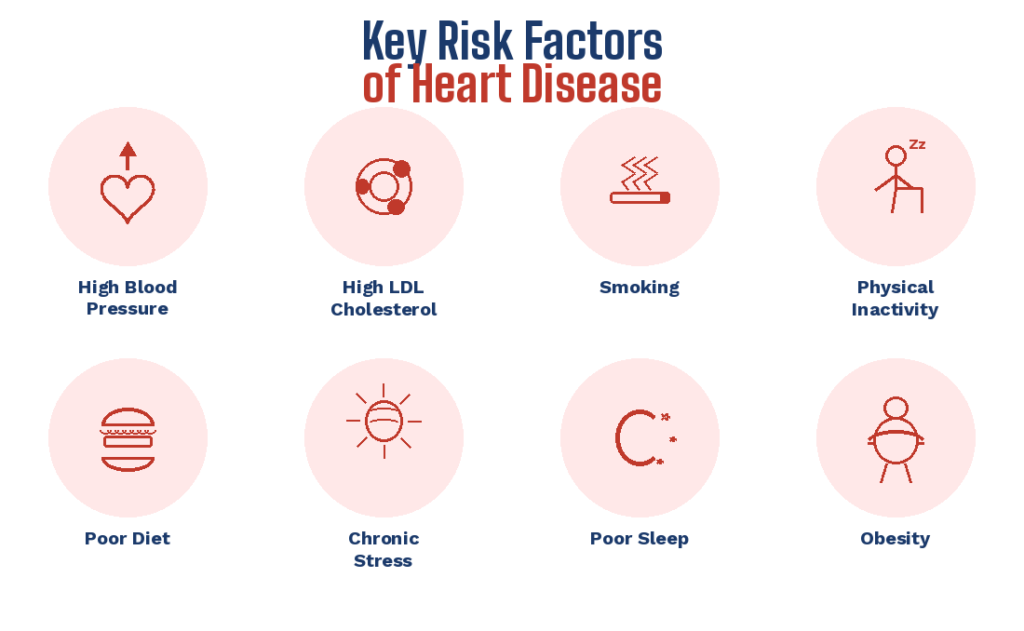
Key Risk Factors for Heart Disease
| Risk Factor | How It Harms the Heart |
| High Blood Pressure | Forces the heart to work harder, thickening walls and damaging arteries |
| High LDL Cholesterol | Builds up in artery walls, narrowing vessels and restricting blood flow |
| Smoking | Damages vessel linings, raises clot risk, and starves heart tissue of oxygen |
| Physical Inactivity | Weakens heart muscle, promotes weight gain, and raises blood pressure |
| Poor Diet | Promotes inflammation, raises cholesterol, and destabilizes blood sugar |
| Chronic Stress | Elevates cortisol and adrenaline, raising heart rate and blood pressure |
| Poor Sleep | Disrupts blood pressure regulation and promotes arterial inflammation |
| Obesity | Increases cardiac workload, raises blood pressure, and promotes insulin resistance |
7 Morning Habits That Support a Healthy Heart
Adopting even a few of these habits consistently can produce meaningful improvements in cardiovascular health within weeks to months.
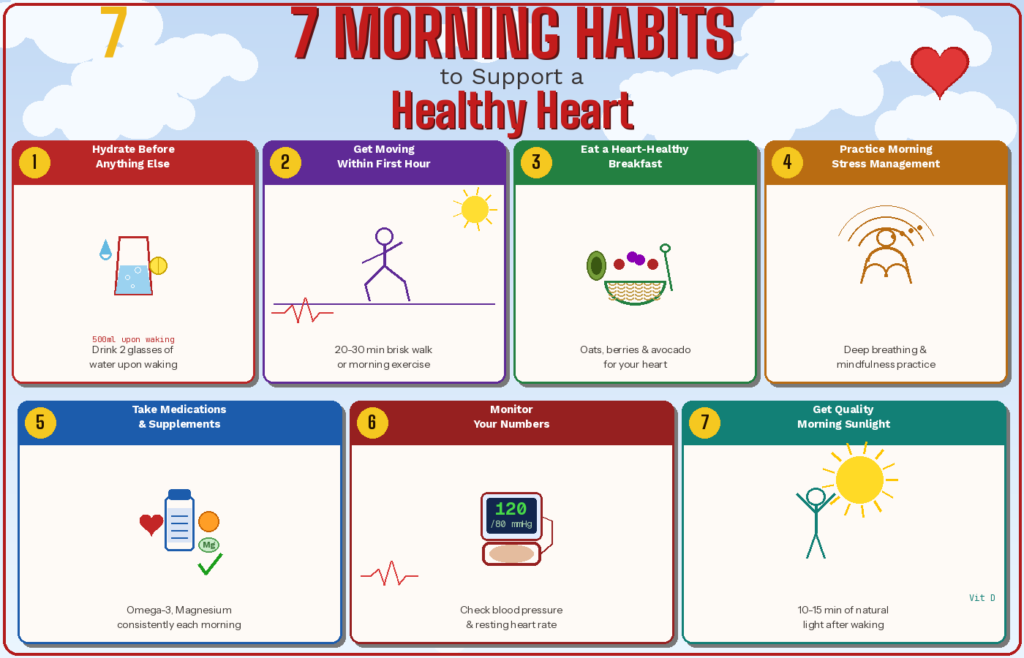
1. Hydrate Before Anything Else
After 6 to 8 hours of sleep, your body wakes up mildly dehydrated. Blood becomes slightly thicker during sleep, which increases the strain on your heart as it works to circulate this more viscous fluid through your arteries and veins. Morning is actually the highest-risk time for heart attacks, partly because dehydration contributes to clotting risk and reduced blood flow. Rehydrating immediately upon waking thins your blood to its optimal consistency, makes circulation easier, and helps your kidneys flush overnight waste products. It also activates your digestive system and supports healthy blood pressure, particularly for people prone to orthostatic hypotension (dizziness when standing).
How to Do It:
- Keep a full glass or bottle of water on your nightstand so it is the first thing you reach for when you wake up
- Drink 400 to 500ml (about 2 glasses) of plain water within 15 to 20 minutes of waking, before coffee, tea, or food
- Add a small squeeze of lemon for a mild alkalizing effect and a light electrolyte boost that supports blood pressure
- Avoid sugary drinks, sodas, or fruit juices first thing, as the rapid sugar spike stresses your cardiovascular system
- If you take blood pressure medication in the morning, water helps it absorb more consistently and reliably
Most people notice reduced morning grogginess, lower resting heart rate, and better energy within the first 15 to 30 minutes of proper morning hydration.
2. Get Moving Within the First Hour
Morning exercise is one of the most powerful things you can do for your cardiovascular system. Physical activity strengthens your heart muscle, makes arteries more elastic, lowers resting blood pressure, raises HDL (good) cholesterol, and reduces inflammatory markers linked to heart disease. Morning movement also activates your metabolism, improves insulin sensitivity, and regulates cortisol, a stress hormone that, when chronically elevated, damages blood vessels and raises cardiac risk. You do not need a gym or intense workout. Moderate, consistent movement is what produces long-term cardiovascular benefit.
How to Do It:
- Take a 20 to 30 minute brisk walk at a pace that slightly elevates your breathing without making conversation uncomfortable
- Try cycling, swimming, light jogging, or a morning yoga flow if variety keeps you more consistent
- If time is tight, a 10-minute walk is still highly beneficial and far better than no movement at all
- Aim for a heart rate of roughly 50 to 70 percent of your maximum during moderate morning exercise (subtract your age from 220 to estimate your max heart rate)
- Always warm up for 3 to 5 minutes with gentle movement before raising intensity to avoid sudden cardiac strain
Research consistently shows that people who exercise in the morning are more likely to stick with the habit long term, meaning the timing may matter as much for adherence as for physiology.
3. Eat a Heart-Healthy Breakfast
Skipping breakfast triggers a stress response that raises cortisol and adrenaline, elevating blood pressure and heart rate in the process. It also leads to blood sugar swings that promote insulin resistance over time, a major driver of cardiovascular disease. A well-composed breakfast stabilizes blood sugar, provides anti-inflammatory nutrients, reduces LDL cholesterol, and gives your heart the steady energy it needs without stress. The foods you choose matter enormously. A doughnut and coffee create systemic inflammation; oats, berries, and nuts actively protect your arteries.
How to Do It:
- Start with a base of oats, whole grain toast, or high-fiber cereal to provide slow-releasing energy that stabilizes blood sugar
- Add heart-healthy fats like a slice of avocado, a small handful of walnuts, or a drizzle of olive oil to support healthy cholesterol
- Include protein from eggs, Greek yogurt, or legumes to reduce appetite and prevent mid-morning blood sugar crashes
- Top with berries, which are rich in anthocyanins that directly reduce blood pressure and improve arterial flexibility
- Limit or avoid processed breakfast meats like bacon and sausage, which are high in sodium and saturated fat that raise cardiovascular risk
Eating within 1 to 2 hours of waking helps regulate the circadian signals that control blood pressure, heart rate, and metabolism throughout the entire day.
4. Practice Morning Stress Management
Chronic stress is one of the most underestimated drivers of heart disease. Cortisol and adrenaline, the primary stress hormones, raise blood pressure, increase heart rate, promote arterial inflammation, and encourage clotting, all of which directly damage cardiovascular health over time. Mornings can be particularly stressful, with rushing, news consumption, and immediate demands hitting your nervous system before it is fully awake. Taking even 5 to 10 minutes for deliberate stress reduction before engaging with the day powerfully lowers your cardiovascular stress load.
How to Do It:
- Practice diaphragmatic deep breathing for 5 minutes: inhale for 4 counts, hold for 4, exhale for 6 to 8 counts to activate the parasympathetic nervous system
- Try a short meditation or mindfulness practice using a free app or simply sitting quietly and focusing on your breath
- Write 3 things you are grateful for in a journal, which research shows reduces cortisol and lowers heart rate over time
- Avoid checking emails, news, or social media for the first 20 to 30 minutes after waking to keep your stress response calm
- Spend a few minutes in natural light and fresh air, which helps regulate cortisol and set a stable circadian rhythm
People who practice morning stress reduction consistently show measurably lower resting blood pressure, reduced inflammatory markers, and better heart rate variability, a key indicator of cardiovascular resilience.
5. Take Your Medications and Supplements Consistently
For people managing blood pressure, cholesterol, or other cardiovascular conditions, morning consistency with medications is critical. Blood pressure is naturally highest in the morning hours, particularly in the first 2 to 3 hours after waking, and missed doses during this window leave your cardiovascular system unprotected when it is most vulnerable. Even for people without diagnosed conditions, certain evidence-backed supplements taken consistently in the morning can meaningfully support heart health.
How to Do It:
- Take prescribed cardiovascular medications at the same time each morning to maintain stable blood levels and maximum protective effect
- Consider omega-3 fatty acids (fish oil, 1,000 to 2,000mg EPA and DHA combined) to reduce triglycerides and inflammation
- Magnesium glycinate (200 to 400mg) supports healthy blood pressure, reduces arterial stiffness, and helps regulate heart rhythm
- Coenzyme Q10 (100 to 200mg) supports energy production in heart muscle cells and is particularly important for people on statin medications
- Always consult your doctor before starting new supplements, especially if you take blood thinners, blood pressure medications, or other cardiac drugs
Pairing medication and supplement habits with another morning anchor like breakfast or brushing teeth dramatically improves consistency and long-term adherence.
6. Monitor Your Numbers
You cannot manage what you do not measure. For heart health, two morning measurements stand out: blood pressure and resting heart rate. Blood pressure is best measured in the morning before medication and activity, and doing this consistently at the same time gives you and your doctor a reliable picture of your cardiovascular risk. Elevated morning blood pressure, known as the morning surge, is specifically linked to increased risk of heart attack and stroke. Resting heart rate is another powerful indicator; a lower resting heart rate generally reflects a stronger, more efficient heart.
How to Do It:
- Invest in a validated home blood pressure monitor (upper arm models are more accurate than wrist models) and measure at the same time every morning
- Sit quietly for 5 minutes before measuring, with feet flat on the floor, back supported, and arm at heart level
- Take 2 to 3 readings one minute apart and record the average in a notebook or phone app to track trends over time
- Check your resting heart rate by counting pulse for 60 seconds before getting out of bed, or use a smartwatch or fitness tracker
- Share your morning readings with your doctor at appointments, as this home data is often more clinically useful than in-office measurements taken during stress
Target blood pressure is generally below 120/80 mmHg for most adults, and a resting heart rate between 60 and 80 beats per minute suggests good cardiovascular fitness.
7. Get Quality Morning Sunlight
Sunlight does far more than just brighten your mood. Morning light exposure regulates your circadian rhythm, which directly influences blood pressure patterns, heart rate variability, and inflammation throughout the day. Natural light also helps your body produce vitamin D, which plays a significant role in cardiovascular health. Low vitamin D is associated with higher rates of hypertension, heart failure, and coronary artery disease. Additionally, morning sunlight suppresses melatonin and elevates serotonin, setting up healthy sleep cycles that night, and quality sleep is one of the strongest protectors of long-term heart health.
How to Do It:
- Go outside within 30 to 60 minutes of waking and spend at least 10 to 15 minutes in natural light, even on cloudy days
- Let light reach your eyes directly without sunglasses during this early morning window, as retinal light exposure is what sets your circadian clock
- Combine sunlight exposure with your morning walk or breakfast on a balcony to stack multiple heart-healthy habits effortlessly
- In winter or high-latitude locations where sunlight is limited, consider a 10,000 lux light therapy lamp used for 20 to 30 minutes in the morning
- Have your vitamin D levels tested annually, and consider supplementing with vitamin D3 (2,000 to 4,000 IU) if levels fall below 30 ng/mL
Morning sunlight is one of the most underutilized and cost-free tools for cardiovascular health, with benefits that ripple through sleep quality, mood, blood pressure, and metabolic function all day long.
Heart Conditions Worsened by Poor Morning Habits
| Condition | How Poor Morning Habits Make It Worse |
| Hypertension | Skipping medications, dehydration, and stress spike blood pressure during the already-high morning surge |
| Coronary Artery Disease | Sedentary mornings, smoking, and poor diet increase plaque buildup and arterial inflammation |
| Heart Failure | Inadequate hydration and inactivity reduce cardiac output and worsen fluid management |
| Atrial Fibrillation | Stimulant overuse, poor sleep, and stress trigger irregular heart rhythms |
| Diabetes-Related Heart Risk | Skipping breakfast and poor food choices destabilize blood sugar and promote vascular damage |
| High Cholesterol | Saturated fat-heavy breakfasts raise LDL and promote arterial plaque formation |
Best Morning Foods for a Healthy Heart
| Food | Heart Health Benefit |
| Oats | Beta-glucan fiber lowers LDL cholesterol and stabilizes blood sugar |
| Blueberries | Anthocyanins reduce blood pressure and improve arterial flexibility |
| Walnuts | Omega-3 ALA reduces inflammation and supports healthy cholesterol balance |
| Avocado | Monounsaturated fats raise HDL and reduce LDL cholesterol |
| Eggs | Choline supports healthy blood lipid metabolism; modest saturated fat is offset by nutrients |
| Greek Yogurt | Probiotics reduce systemic inflammation and support healthy blood pressure |
| Flaxseeds | Lignans and omega-3s reduce blood pressure and arterial inflammation |
| Dark Leafy Greens | Nitrates relax blood vessels and reduce blood pressure naturally |
| Salmon / Sardines | EPA and DHA omega-3s dramatically reduce triglycerides and heart disease risk |
| Green Tea | Catechins improve arterial function and reduce LDL oxidation |
Morning Warning Signs of Heart Problems
The morning hours are when heart attacks and strokes are most likely to occur. Recognizing warning signs early can be life-saving. Never ignore these symptoms, especially in the morning hours when cardiovascular risk is highest.
Seek Emergency Care Immediately If You Experience:
- Chest pain, pressure, tightness, or squeezing that lasts more than a few minutes or comes and goes
- Pain or discomfort spreading to your shoulder, arm, back, neck, or jaw
- Sudden shortness of breath with or without chest discomfort
- Breaking out in a cold sweat, nausea, or lightheadedness upon waking
- Sudden severe headache with no known cause, especially with vision changes or weakness
- Numbness or weakness in your face, arm, or leg, particularly on one side of the body
Schedule a Doctor Appointment If You Notice:
- Persistent morning headaches that may indicate elevated blood pressure
- Irregular heartbeat or palpitations that occur regularly upon waking
- Morning swelling in feet, ankles, or legs that may signal heart failure
- Extreme morning fatigue even after a full night of sleep
- Shortness of breath when doing simple morning activities like showering or walking to the kitchen
- Unexplained weight gain of more than 2 to 3 pounds in a day or 5 pounds in a week
Long-Term Strategies to Maintain Heart Health
Morning habits are the foundation, but lasting cardiovascular protection requires consistent lifestyle choices across every part of your day. These long-term strategies address root causes and build genuine cardiac resilience over time.
- Prioritize 7 to 9 hours of quality sleep nightly, as sleep deprivation raises blood pressure, promotes inflammation, and doubles heart attack risk
- Maintain a heart-healthy diet rich in vegetables, fruits, whole grains, fish, and healthy fats while limiting ultra-processed foods, sodium, and added sugars
- Achieve and maintain a healthy weight, as excess body fat, particularly around the abdomen, directly increases cardiac workload and inflammatory burden
- Quit smoking completely, as smoking is the single most modifiable risk factor for heart disease and cardiovascular damage begins to reverse within days of stopping
- Limit alcohol to no more than 1 drink per day for women or 2 for men, as excess alcohol raises blood pressure and promotes atrial fibrillation
- Get regular cardiovascular checkups including blood pressure, cholesterol, blood glucose, and body weight at least annually
- Manage chronic conditions like diabetes, thyroid disease, and sleep apnea, all of which significantly impact heart health when left poorly controlled
- Build and maintain strong social connections, as loneliness and social isolation are now recognized as independent risk factors for heart disease comparable to smoking
Heart Health Myths and Facts
| Myth | Fact |
| Heart disease only affects older men | Heart disease is the leading cause of death in women too, and risk begins building in young adulthood |
| If you exercise, diet doesn't matter | Diet and exercise have largely independent effects on heart health; neither fully compensates for the other |
| A glass of red wine is good for your heart | Any apparent benefits of moderate wine drinking are outweighed by cancer and addiction risk for most people |
| Chest pain is always the sign of a heart attack | Heart attacks often present with jaw pain, back pain, nausea, or fatigue, especially in women |
| Supplements can replace medication for heart conditions | Supplements support heart health but cannot replace prescribed cardiac medications for diagnosed conditions |
| Young people don't need to worry about heart health | Arterial plaque begins forming in the teenage years; early habits determine lifetime cardiovascular risk |
| Normal weight means your heart is healthy | Metabolically unhealthy individuals at normal weight still face elevated cardiovascular risk |
Conclusion
Your morning routine is not just about productivity or energy. It is one of the most powerful windows you have to protect and strengthen your heart each day. The habits you build in the first hour after waking, whether it is drinking water, moving your body, eating nourishing food, managing stress, or stepping into sunlight, directly influence your blood pressure, heart rate, cholesterol, and inflammation for hours to come. Start with one or two changes that feel achievable and build from there. Consistency over months and years, not perfection in any single morning, is what creates lasting cardiovascular protection. Your heart has carried you every second of your life without rest. A few minutes of intentional morning care is a worthy investment in return.