Superfoods to boost heart health naturally are nutrient-dense whole foods that support the heart and blood vessels through powerful combinations of healthy fats, fiber, antioxidants, vitamins, and minerals. These heart-healthy superfoods help lower LDL (bad) cholesterol, control blood pressure, reduce inflammation, and improve overall circulation, making them a practical foundation for long-term cardiovascular wellness.
Key Takeaways
- Superfoods to boost heart health naturally target major risk factors like high cholesterol, high blood pressure, and chronic inflammation.
- Foods such as fatty fish, oats, berries, nuts, leafy greens, and legumes are consistently recommended by major heart-health organizations.
- Regular intake of these foods, alongside exercise and good sleep, can significantly reduce the risk of heart disease and stroke over time.
- These superfoods can be easily added to daily meals without strict dieting or complicated recipes.
- Long-term use helps build “cardiovascular reserve,” improving resilience against aging and genetic risk.
What Are Superfoods to Boost Heart Health Naturally?
Superfoods to boost heart health naturally are foods that provide an especially high concentration of nutrients known to protect the heart and blood vessels. They include sources of omega-3 fatty acids, soluble fiber, plant antioxidants, potassium, and other compounds that directly influence cholesterol levels, blood pressure, inflammation, and arterial flexibility.
Unlike supplements, these foods deliver nutrients in a natural matrix that improves absorption and often provides additional benefits such as satiety and blood sugar control. For example, oats provide both fiber and beneficial plant compounds, berries supply vitamin C and anthocyanins, and nuts offer healthy fats together with magnesium and plant protein.
Main Types of Heart-Healthy Superfoods
Different superfoods to boost heart health naturally act on different aspects of cardiovascular risk.
- Fiber-rich superfoods such as oats, barley, beans, and lentils help lower LDL cholesterol by binding bile acids and supporting healthy digestion.
- Omega-3-rich superfoods including salmon, mackerel, sardines, walnuts, and flaxseeds reduce triglycerides, support heart rhythm, and calm inflammation.
- Antioxidant-rich superfoods such as berries, dark chocolate, and tomatoes protect blood vessels from oxidative stress that can lead to plaque formation.
- Potassium-rich superfoods including avocados, leafy greens, bananas, and beets help counter the effects of excess sodium and support healthy blood pressure.
- Nitrate-rich superfoods like spinach, kale, arugula, and beets increase nitric oxide production, helping blood vessels relax and improving blood flow.
Factors That Influence Heart Health
Heart health depends on more than just one food or one habit. Superfoods to boost heart health naturally work best when they are part of an overall heart-supportive lifestyle.
- Biological factors such as age, genetics, and sex can raise or lower baseline risk, but diet still has a strong impact at every stage of life.
- Lifestyle factors including physical activity, smoking, alcohol intake, and sleep quality directly affect blood pressure, weight, and artery health.
- Dietary patterns rich in fruits, vegetables, whole grains, nuts, and legumes are consistently linked with lower rates of heart disease and stroke.
- Psychological factors such as chronic stress can increase blood pressure and contribute to unhealthy eating habits, which superfoods can partly counter by supporting metabolic balance.
- Environmental factors such as easy access to processed foods or high-sodium meals can raise risk, making intentional use of heart-friendly superfoods even more important.
Common Symptoms of Poor Heart Health
Poor heart health may develop slowly and show up first as subtle symptoms in daily life. These signs often appear before a major event and can be improved with diet and lifestyle changes.
| Area of Concern | Common Symptoms | Impact on Daily Life |
| Cholesterol and plaque | High LDL on blood tests, mild chest tightness, reduced exercise tolerance | Feeling tired sooner during walks or climbs |
| Blood pressure | Frequent headaches, dizziness, flushed face | Needing to stop and rest more often, difficulty with stairs |
| Circulation | Cold hands and feet, leg cramps when walking | Avoiding longer walks or outdoor activity |
| Inflammation | Swollen ankles, joint stiffness, general fatigue | Less motivation to be active or social |
| Heart rhythm | Sensation of skipped beats or racing heart | Anxiety, sleep disturbance, reduced confidence in physical activity |
These symptoms can have many causes, so medical evaluation is essential. However, using superfoods to boost heart health naturally is a safe and supportive strategy alongside professional care.
Effects of Long-Term Poor Heart Health
If poor heart health is not addressed, the effects spread into nearly every area of life.
- Daily functioning becomes more difficult as activities like shopping, climbing stairs, or doing housework cause shortness of breath and fatigue.
- Work and productivity can decline due to reduced stamina, brain fog, and lower concentration linked to poor circulation.
- Emotional well-being often worsens, as ongoing physical symptoms and limitations contribute to stress, anxiety, or depression.
- Social life may shrink if a person feels too tired or uncomfortable to participate in hobbies, family events, or outings.
- Over time, untreated risk factors raise the likelihood of serious events such as heart attack, stroke, or heart failure, which can permanently change quality of life.
Using superfoods to boost heart health naturally does not replace medical care, but it does help reduce these risks and support better outcomes when combined with treatment.
10 Superfoods to Boost Heart Health Naturally
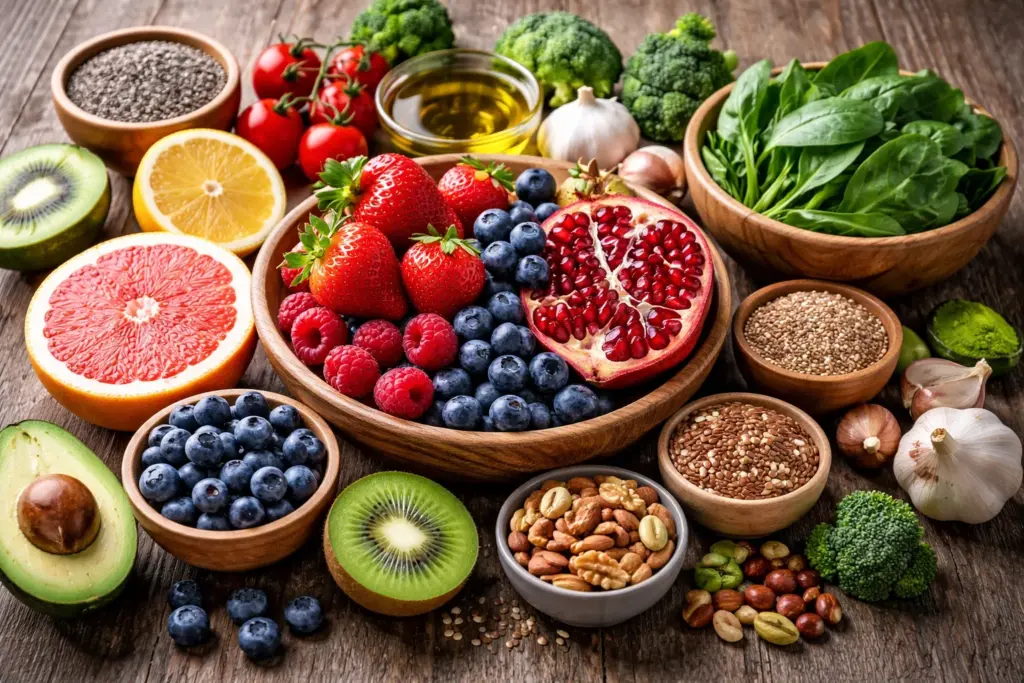
The following ten superfoods are widely recommended by cardiology and nutrition experts for supporting heart health.
1. Fatty Fish (Salmon, Mackerel, Sardines)
Fatty fish are one of the best sources of long-chain omega-3 fatty acids, which help lower triglycerides, support healthy heart rhythm, and may reduce the risk of sudden cardiac death. Eating fatty fish at least two times per week is commonly recommended for heart protection.
Simple ideas include grilled salmon with vegetables, sardines on whole-grain toast, or baked mackerel with herbs and lemon.
2. Oats and Other Whole Grains
Oats, barley, and other whole grains are rich in soluble fiber that helps lower LDL cholesterol and support stable blood sugar. Even one bowl of oatmeal per day can make a measurable difference in cholesterol levels over time.
Try oatmeal topped with berries and nuts, overnight oats with seeds, or whole-grain breads and cereals that list whole grains as the first ingredient.
3. Berries (Blueberries, Strawberries, Raspberries)
Berries provide anthocyanins and other antioxidants that protect blood vessels from oxidative stress and inflammation. Higher berry intake has been linked with lower blood pressure and improved arterial function.
They work well in smoothies, on top of yogurt or oats, in salads, or simply eaten fresh as a snack.
4. Leafy Green Vegetables (Spinach, Kale, Arugula)
Leafy greens are rich in nitrates, vitamin K, and other nutrients that help reduce blood pressure and support healthy clotting and artery function. Research suggests that people who eat more leafy greens have a lower risk of heart disease overall.
Use them in salads, sautéed side dishes, soups, omelets, or blended into smoothies for an extra nutrient boost.
5. Nuts and Seeds (Walnuts, Almonds, Chia, Flax)
Nuts and seeds provide healthy fats, fiber, and plant-based omega-3s that support heart health and help improve cholesterol profiles. Walnuts in particular have been associated with lower LDL cholesterol and improved blood pressure.
A small daily handful of unsalted nuts or a spoonful of chia or ground flaxseeds added to yogurt, oats, or salads can make a meaningful difference.
6. Legumes (Beans, Lentils, Chickpeas)
Legumes are high in fiber, protein, and minerals and contain no cholesterol, making them excellent alternatives to red or processed meats. Regular consumption of beans and lentils is associated with lower LDL cholesterol, better blood sugar control, and reduced overall cardiovascular risk.
Use them in soups, stews, curries, salads, or as spreads like hummus.
7. Avocados
Avocados are rich in monounsaturated fats and potassium, both important for heart health. Studies suggest that people who eat avocados regularly have lower LDL cholesterol, better overall lipid profiles, and a reduced risk of cardiovascular disease.
They can be used on whole-grain toast, in salads, as guacamole, or blended into smoothies for a creamy texture.
8. Garlic
Garlic contains sulfur compounds such as allicin that may help modestly lower blood pressure and cholesterol when consumed regularly. While garlic alone will not replace medication, it fits well in a heart-healthy diet and adds flavor without extra sodium.
Add fresh or roasted garlic to sauces, marinades, soups, roasted vegetables, and bean dishes.
9. Dark Chocolate (70% Cocoa or Higher)
Dark chocolate that is rich in cocoa provides flavonoids that support blood vessel function and may improve blood flow and blood pressure when eaten in small portions. Choosing products with at least 70 percent cocoa and minimal added sugar is important.
A small square after meals or combined with nuts and fruit can satisfy a sweet craving in a heart-friendly way.
10. Beets
Beets are a notable source of dietary nitrates that convert to nitric oxide in the body, which helps relax blood vessels and improve circulation. Beetroot juice and cooked beets have been linked to reductions in blood pressure in both healthy people and those with hypertension.
Beets can be roasted, added to salads, blended into smoothies, or enjoyed as beetroot juice.
Conclusion
Superfoods to boost heart health naturally offer a practical and enjoyable way to protect the heart using everyday foods. Fatty fish, oats, berries, leafy greens, nuts, legumes, avocados, garlic, dark chocolate, and beets each contribute unique nutrients that work together to lower cholesterol, control blood pressure, manage inflammation, and improve circulation. When combined with an overall heart-healthy eating pattern, regular movement, good sleep, and stress management, these foods can significantly reduce the risk of heart disease and improve quality of life over time.
By intentionally adding a few of these superfoods to meals every day, anyone can begin to build a stronger foundation for lifelong cardiovascular health.
References
Cleveland Clinic. (2024). Heart-Healthy Foods You Should Be Eating. Retrieved from https://health.clevelandclinic.org/heart-healthy-foods
Mayo Clinic. (2024). Heart-healthy diet: 8 steps to prevent heart disease. Retrieved from https://www.mayoclinic.org/diseases-conditions/heart-disease/in-depth/heart-healthy-diet/art-20047702
American Heart Association. (2024). The American Heart Association Diet and Lifestyle Recommendations. Retrieved from https://www.heart.org/en/healthy-living/healthy-eating/eat-smart/nutrition-basics/aha-diet-and-lifestyle-recommendations
National Heart, Lung, and Blood Institute (NHLBI). (1999). DASH Eating Plan. Retrieved from https://www.nhlbi.nih.gov/education/dash-eating-plan
National Heart, Lung, and Blood Institute (NHLBI). (2020). Take Action Toward Better Heart Health: Eat a Heart-Healthy Diet. Retrieved from https://www.nhlbi.nih.gov/heart-truth/eat-a-heart-healthy-diet
Healthline. (2018). Heart-Healthy Foods. Retrieved from https://www.healthline.com/nutrition/heart-healthy-foods
Henry Ford Health. (2024). Superfoods To Improve Your Heart Health. Retrieved from https://www.henryford.com/blog/2024/02/superfoods-to-improve-your-heart-health