Mental sharpness does not decline simply because of age, but weakens when the brain is affected by chronic stress, poor sleep, inactivity, and nutritional deficiencies. These factors impair blood flow, disrupt neurotransmitters, and increase inflammation, leading to early signs such as brain fog, slower thinking, forgetfulness, and reduced concentration.
Key Takeaways
- Mental sharpness depends on brain health and daily habits, not age alone.
- Brain dullness is often caused by stress, poor sleep, inactivity, and nutritional gaps.
- Regular exercise, quality sleep, and stress management support memory, focus, and clear thinking.
- Mental stimulation and social engagement build cognitive reserve and protect long-term cognitive health.
- Early signs of brain dullness, such as brain fog or forgetfulness, often improve with lifestyle changes.
- Consistent brain-healthy habits can reduce the risk of cognitive decline and support lifelong mental clarity.
What is Mental Sharpness?
Mental sharpness is the brain’s ability to think clearly, stay focused, remember information, and make sound decisions in daily life. It reflects how efficiently the brain processes information, adapts to challenges, and regulates emotions.Mental sharpness is influenced by factors such as sleep quality, physical activity, nutrition, stress levels, and mental and social engagement. When these factors are well balanced, thinking feels alert, responsive, and clear; when they are disrupted, mental dullness, brain fog, or slower thinking may occur.
- Clear attention: the ability to stay focused during conversations, follow instructions, and complete tasks without becoming easily distracted.
- Quick recall: efficiently retrieving names, words, appointments, and everyday information when needed.
- Sound judgment: making thoughtful decisions with confidence, accuracy, and good awareness of consequences.
- Mental flexibility: adapting to new situations, switching between tasks, and solving problems effectively as circumstances change.
10 Ways to Stay Mentally Sharp as You Age [Scientifically Proven]

1. Exercise: The Most Powerful Brain Protector
Physical activity is the single most effective habit for protecting brain health. Exercise increases blood flow to the brain, delivering oxygen and nutrients essential for neuron function. It also boosts brain-derived neurotrophic factor (BDNF), a protein that supports neuron growth, survival, and communication.
Exercise reduces chronic inflammation, improves insulin sensitivity, and promotes neurogenesis, particularly in memory-related regions. Studies show that physically active adults have better memory, attention, and executive function than sedentary individuals.
Best exercise options for brain health include:
- Aerobic exercise (brisk walking, cycling, swimming): improves memory and attention
- Resistance training: supports reasoning and executive function
- Mind-body exercise (yoga, tai chi): enhances focus, balance, and stress regulation
2. Nutrition: Feed Your Brain Daily

A brain-healthy diet supplies nutrients that protect neurons and reduce inflammation. The MIND diet and Mediterranean diet are consistently associated with slower cognitive decline and reduced dementia risk.
Key brain-supporting foods include:
- Leafy greens such as spinach and kale
- Berries, especially blueberries rich in antioxidants
- Fatty fish like salmon and sardines (omega 3s)
- Nuts, seeds, and olive oil for healthy fats
- Whole grains and legumes for steady glucose supply
3. Sleep: The Brain’s Reset Button
Sleep is essential for learning, memory consolidation, and emotional regulation. During deep sleep, the brain clears toxic waste products linked to neurodegenerative diseases.
Chronic sleep deprivation impairs attention, decision making, and mood while increasing the risk of cognitive decline and dementia.
Healthy sleep habits include:
- Maintaining a consistent sleep schedule
- Creating a dark, quiet, and cool bedroom
- Avoiding caffeine and screens before bedtime
4. Mental Stimulation: Build Cognitive Reserve

Mental stimulation strengthens neural connections and builds cognitive reserve, which helps the brain compensate for age-related changes. Repetitive tasks offer limited benefit, but novelty and challenge promote neuroplasticity.
Effective mental activities include:
- Puzzles and strategy game
- Learning a new language or musical instrument
- Reading, writing, or teaching others
- Cooking new recipes or creative hobbies
5. Social Connection and Emotional Health
Social engagement activates multiple brain systems simultaneously. Conversation, empathy, memory, and attention all work together during social interaction. Loneliness and chronic stress are strongly linked to faster cognitive decline.
Support brain health by:
- Staying connected with friends, family, or community groups
- Volunteering or joining clubs to maintain purpose
- Practicing stress-reduction techniques such as meditation or deep breathing
6. Meditation and Mindfulness: Train the Brain to Focus
Meditation strengthens attention, emotional regulation, and mental clarity by calming the nervous system and reducing stress hormones such as cortisol. Chronic stress damages memory-related brain regions, while regular meditation helps preserve them.
Research shows meditation can improve focus, working memory, and processing speed while slowing age related brain changes.
Effective practices include:
- Mindfulness meditation (present-moment awareness)
- Breathing exercises to calm mental overload
- Body-scan or guided relaxation practices

7. Lifelong Learning: Keep the Brain Adaptable
Learning new skills forces the brain to form new neural pathways, improving mental flexibility and resilience. Novel learning activates multiple brain regions at once, strengthening overall cognitive function.
Examples of effective learning activities include:
- Learning a new language or digital skill
- Taking online or in-person courses
- Learning music, art, or technical skills
8. Manage Chronic Health Conditions
Chronic conditions such as high blood pressure, diabetes, obesity, and high cholesterol reduce blood flow to the brain and increase inflammation, accelerating cognitive decline if untreated.
Protect brain health by:
- Monitoring blood pressure and blood sugar
- Following medical advice and treatment plans
- Maintaining a healthy weight and active lifestyle
9. Avoid Brain Damaging Habits
Smoking, excessive alcohol consumption, and substance misuse damage brain cells and blood vessels, reducing oxygen delivery and accelerating brain aging.
To support mental sharpness:
- Limit alcohol intake
- Avoid smoking and secondhand smoke
- Reduce exposure to environmental toxins when possible
10. Purpose, Routine, and Emotional Well Being
A strong sense of purpose and emotional stability supports motivation, focus, and cognitive engagement. Depression and chronic anxiety are linked to faster cognitive decline and impaired memory.
Support emotional brain health by:
- Maintaining daily routines and goals
- Staying engaged in meaningful activities
- Seeking support for persistent mood changes
At a Glance: Daily Habits That Improve Mental Sharpness
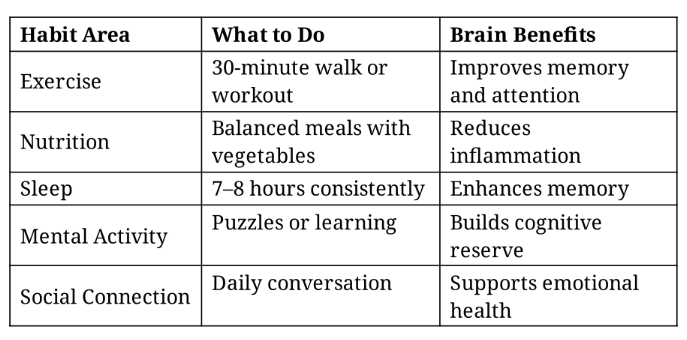
You don’t need perfection to stay mentally sharp. Small, consistent habits practiced daily matter most for long-term brain health.
Example daily routine:
- Morning: A short walk or light exercise combined with a nutritious breakfast helps increase blood flow to the brain, boost focus, and set mental energy for the day.
- Midday: Reading, puzzles, or a learning activity keeps the brain active, strengthens memory, and improves attention during the day.
- Afternoon: Social interaction or a meaningful hobby stimulates multiple brain areas, reduces stress, and supports emotional balance.
Evening: Relaxation, meditation, and a consistent bedtime allow the brain to unwind, consolidate memories, and maintain mental clarity.
Why Mental Sharpness Declines as You Age
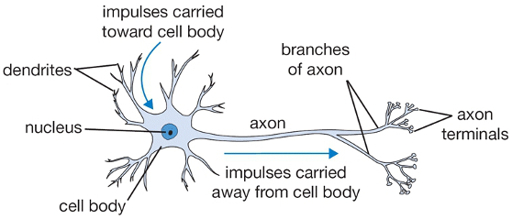
As you age, the brain naturally goes through structural and chemical changes that affect how quickly and efficiently it works. Areas involved in memory, attention, and decision-making gradually become less efficient, which can make mental tasks feel more effortful than before.
Key age-related changes include:
- Brain structure shifts: Regions like the hippocampus (memory) and prefrontal cortex (focus and judgment) slowly lose volume, affecting recall and multitasking.
- Lower neurotransmitter levels: Dopamine, acetylcholine, and serotonin decline, reducing motivation, learning speed, mood stability, and mental energy.
Reduced blood flow: Less oxygen and nutrient delivery can limit brain efficiency and endurance. - Cumulative wear and tear: Long-term inflammation, oxidative stress, and cellular damage interfere with communication between brain cells.
Other Major Cause of Brain Dullness
Brain dullness develops when multiple physical, mental, and lifestyle factors gradually reduce the brain’s efficiency. It often appears as brain fog, slow thinking, or reduced focus and can affect daily functioning if not addressed early.
- Chronic stress and mental overload: Prolonged stress increases stress hormones that interfere with memory formation, attention, and emotional regulation, leading to persistent mental fatigue.
- Poor sleep quality: Inadequate or disrupted sleep prevents proper memory consolidation and limits the brain’s ability to clear waste products, resulting in brain fog and slower thinking.
- Physical inactivity: A sedentary lifestyle reduces blood flow and oxygen delivery to the brain, weakening neural connections and slowing information processing.
- Nutritional deficiencies: Low intake of essential nutrients such as omega-3 fatty acids, B vitamins, and antioxidants impairs neuron function and reduces mental stamina.
- Reduced mental stimulation: Lack of learning, problem-solving, or creativity weakens neural pathways, making the brain less adaptable and responsive.
- Social isolation: Limited social interaction reduces cognitive engagement and increases stress, accelerating decline in memory and focus.
- Chronic medical conditions: Conditions like high blood pressure, diabetes, obesity, and thyroid disorders damage brain blood vessels and disrupt brain metabolism if poorly managed.
- Emotional health issues: Depression, anxiety, and lack of purpose reduce motivation, concentration, and memory, worsening mental dullness over time.
Symptoms of Mental Bluntness
Mental bluntness refers to a noticeable reduction in mental clarity, focus, or responsiveness. Some changes are a normal part of aging, while others may signal a more serious cognitive issue and require medical attention.
Normal Signs of Aging
These changes are common and usually do not interfere significantly with daily life:
- Occasional forgetfulness: briefly forgetting names, appointments, or where items were placed
- Slower learning: taking more time to absorb new information or skills
- Misplacing items: occasionally losing keys, glasses, or everyday objects
Concerning Signs of Mental Bluntness
These symptoms may indicate abnormal cognitive decline and should not be ignored:
- Getting lost in familiar places: difficulty navigating well known routes or locations
- Repeating questions frequently: asking the same questions despite receiving answers
- Difficulty managing finances: trouble handling bills, budgeting, or simple calculations
- Sudden personality or mood changes: increased irritability, confusion, anxiety, or withdrawal
When Do You Need to See a Doctor?
<context>
- Daily functioning is affected: memory or thinking problems begin to interfere with routine tasks or independence
- Persistent memory loss: ongoing forgetfulness that does not improve over time
- Confusion about time or place: difficulty understanding dates, locations, or familiar surroundings
- Difficulty completing familiar tasks: trouble performing activities once done easily
- Poor judgment: making unsafe or inappropriate decisions
- Social withdrawal or personality changes: noticeable changes in mood, behavior, or interest in social activities
- Possible reversible causes: evaluation helps identify treatable issues such as vitamin deficiencies, sleep disorders, depression, or medication side effects
Conclusion
Mental sharpness is essential for maintaining independence, confidence, and quality of life. Cognitive dullness often develops gradually due to lifestyle and health-related factors rather than age alone. Recognizing early changes and taking timely action through healthy daily habits and appropriate medical care can help preserve mental clarity and support long-term brain health.
FAQs: How to Stay Mentally Sharp as You Age
1. Can you stay mentally sharp as you age naturally?
Yes. Regular exercise, mental stimulation, healthy eating, quality sleep, and social engagement can naturally slow cognitive decline and support lifelong brain health.
2. At what age should you start focusing on brain health?
Brain health matters at every age. Starting earlier helps, but even people in their 60s and beyond can improve memory and focus through healthy habits.
3. What are the best brain exercises for older adults?
Learning new skills, puzzles, reading, writing, strategy games, and activities that combine thinking with movement or social interaction are most effective.
4. Is physical exercise important for brain health?
Yes. Physical activity is one of the strongest protectors of brain health, supporting memory, attention, and executive function as you age.
5. Do supplements prevent cognitive decline?
Supplements help mainly when deficiencies exist. Most experts recommend a balanced, brain-healthy diet rather than relying on supplements alone.
References
- Harvard Health Publishing – Staying Mentally Sharp as You Age
https://www.health.harvard.edu/mind-and-mood/simple-ways-to-keep-your-mind-sharp - National Institute on Aging (NIA) – Cognitive Health and Older Adults
https://www.nia.nih.gov/health/cognitive-health-and-older-adults - World Health Organization (WHO) – Risk Reduction of Cognitive Decline and Dementia
https://www.who.int/publications/i/item/WHO-MSD-MER-17.5 - Centers for Disease Control and Prevention (CDC) – Physical Activity and Brain Health
- MIND Diet Overview (Wikipedia)
- Wikipedia entry on the MIND diet outlines its development and evidence linking it to slower cognitive decline with aging. https://en.wikipedia.org/wiki/MIND_diet