Memory retention is the ability to store, maintain, and retrieve information over time. Strong memory retention supports academic success, professional performance, and daily functioning, while poor retention can lead to frustration, reduced productivity, and difficulty learning new skills.
Key Takeaways
- Spaced repetition and active recall techniques improve memory retention by up to 80% compared to passive review
- Regular physical exercise enhances hippocampal function and boosts memory consolidation
- Quality sleep is essential for memory consolidation, converting short-term memories into long-term storage
- Vitamin B12 and folic acid supplementation significantly improves immediate and delayed memory recall
- Omega-3 fatty acids at 1000-2500mg daily support primary memory, visuospatial functions, and cognitive performance
- Mental exercises like chunking, visualization, and mind mapping reduce cognitive load and enhance recall
- Combining multiple strategies yields better results than relying on a single technique
What Memory Retention?
Memory retention is the brain’s ability to store information and recall it accurately when needed. It determines how well you remember facts, skills, experiences, and instructions over time. Strong memory retention isn’t about raw intelligence it depends on how information is encoded, consolidated, and retrieved by the brain.
Key elements that shape memory retention include:
- Attention at intake: Information must be clearly focused on to be stored.
Consolidation: Sleep and rest help stabilize memories. - Repetition & use: Regular recall strengthens neural pathways.
- Emotional relevance: Meaningful or emotional information sticks better.
- Brain health: Nutrition, stress levels, and physical activity directly influence retention.
Factors That Affect Remembrance
Memory retention mainly depends on how well your brain encodes, stores, and retrieves information. Key factors that hurt memory include:
- Poor Sleep and Deep Sleep Deficiency
Poor sleep quality, particularly insufficient deep (slow-wave) sleep, disrupts memory consolidation and cognitive function. When sleep is fragmented or inadequate, the brain cannot effectively process and store new information, leading to forgetfulness and mental fog. Sleep deprivation also triggers increased cortisol secretion during the day, creating a vicious cycle that further impairs sleep quality and cognitive performance. Chronic sleep disturbances prevent the brain from completing essential overnight repair processes, accelerating cognitive decline over time.
- Chronic Stress and Elevated Cortisol
Prolonged exposure to high cortisol levels from chronic stress physically damages brain structures, particularly the hippocampus, which is critical for learning and memory formation. Elevated cortisol shrinks hippocampal volume, disrupts neurogenesis (the creation of new brain cells), and impairs the brain's ability to form and retrieve memories properly. Studies show that middle-aged individuals with high cortisol levels exhibit reduced brain volumes and lower memory function, though some damage may be reversible when cortisol returns to normal levels. The HPA axis dysfunction caused by chronic stress can also trigger neuroinflammation and oxidative stress, further compromising cognitive abilities.
- Aging-Related Brain Changes
The hippocampus becomes especially vulnerable to age-related atrophy and cortisol sensitivity in older adults, resulting in progressive memory decline and difficulty learning new information. Natural aging processes reduce brain plasticity and neuronal resilience, making seniors more susceptible to “senior moments,” trouble remembering names, and disorientation in familiar places. Longitudinal studies demonstrate that elevated cortisol levels in older adults correlate with impaired memory performance and reduced hippocampal volume.
- Medical Conditions
Various medical conditions directly impact cognitive function through multiple pathways. Alzheimer's disease involves abnormal protein deposits and HPA axis dysfunction that accelerates memory loss. Cardiovascular diseases and their risk factors (hypertension, diabetes, high cholesterol) reduce blood flow to the brain and may cause vascular dementia. Thyroid disorders disrupt metabolic processes essential for brain function, while vitamin B12 deficiency impairs nerve cell maintenance and neurotransmitter production.
- Depression, Anxiety, and Head Injuries
Depression and anxiety commonly cause dysregulated cortisol production, leading to chronic stress-induced brain changes and memory impairments. These conditions create a damaging cycle by lowering motivation, disrupting sleep, and affecting how the brain processes and stores information. Past traumatic brain injuries can cause lasting structural damage and inflammation that compromise cognitive abilities and increase dementia risk later in life.
- Substance Use and Toxin Exposure
Alcohol consumption disrupts sleep architecture and contributes to sleep apnea, which causes oxygen desaturation and accelerates brain aging. Certain medications (particularly benzodiazepines, anticholinergics, and sedatives) can impair memory formation and cognitive processing. Chronic exposure to environmental toxins, heavy metals, and neurotoxic substances damages neural pathways and increases oxidative stress in brain tissue.
Best Ways to Improve Memory Retention

img: https://www.educationcorner.com/wp-content/uploads/improving-your-memory.png
Memory retention requires intentional strategies backed by cognitive science. The most effective methods strengthen neural pathways and leverage how the brain naturally processes information. Combining multiple approaches produces the best results for retaining and recalling information when you need it most
1.Spaced Repetition and Active Recall
Spaced repetition is one of the most powerful techniques for improving memory retention. This method involves reviewing information at gradually increasing intervals, which strengthens neural connections and prevents forgetting. Active recall, the practice of retrieving information from memory without external cues, forces your brain to work harder and solidifies learning.
Studies demonstrate that combining spaced repetition with active recall produces an 80% improvement in retention compared to passive rereading. Instead of reviewing notes multiple times in one sitting, space your review sessions over days and weeks, actively testing yourself each time to maximize memory retention.
2. Chunking Strategy
Chunking breaks down large amounts of information into smaller, manageable groups. This technique leverages natural cognitive processes to reduce mental load and enhance recall. For example, remembering a phone number as three chunks (555-123-4567) is easier than recalling ten individual digits.
The chunking strategy requires minimal effort but delivers immediate memory span enhancement. By organizing related concepts together, what initially seems overwhelming becomes easier to recall during exams, presentations, or daily tasks.
3. Visualization and Mind Mapping
Visual learning transforms abstract ideas into clear, memorable images. Mind maps, diagrams, and flowcharts organize information around central concepts, making it easier for your brain to process and remember. Research shows that visualization can boost the overall learning experience by up to 400% compared to text-only methods.
Creating visual representations forces you to think about relationships between concepts, strengthening understanding and retention. This technique works particularly well for complex subjects requiring multiple connections between ideas.
4. Interleaving Practice
Interleaving involves studying different topics or skills in one session rather than focusing on a single subject for hours. This approach keeps your brain alert, strengthens connections between concepts, and improves your ability to differentiate and apply knowledge in various contexts.
While it may feel less comfortable than blocking similar problems together, interleaving produces better long-term retention and transfer of learning. Mix subjects during study sessions to enhance memory retention skills and deepen understanding.
5. Exercises
img:https://www.liveinhomecare.com/wp-content/uploads/2022/03/exercise-your-brain-for-better-memory.jpg
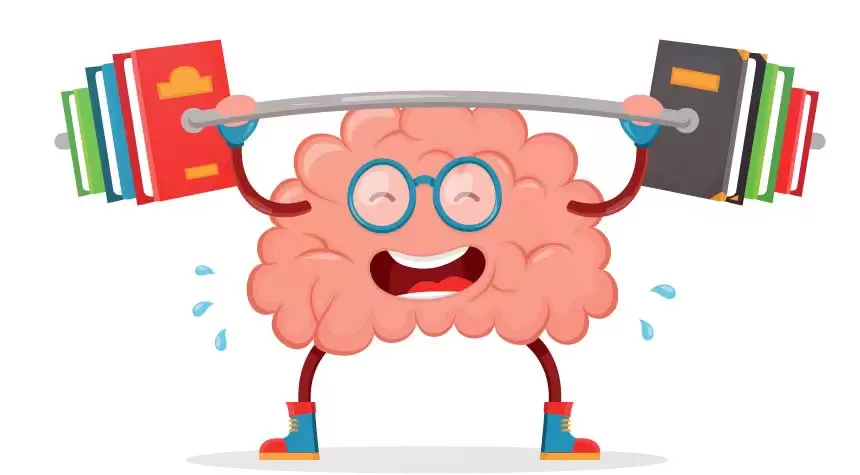
Beyond cognitive techniques, physical and mental exercises play a crucial role in strengthening memory retention. Regular exercise increases blood flow to the brain, promotes neurogenesis, and creates optimal conditions for memory formation and recall. Combining physical activity with targeted mental exercises and mindfulness practices provides comprehensive support for long-term cognitive health and enhanced memory performance.
Physical Exercise for Brain Health
Physical exercise is one of the most effective ways to improve memory retention naturally. Just 10 minutes of physical activity daily can improve cognition over time, with moderate and vigorous exercise producing significantly higher cognition scores than sedentary behavior.
Aerobic exercise boosts the size of the hippocampus, the brain region involved in verbal memory and learning. The increased blood flow delivers oxygen and nutrients to brain cells, supporting memory consolidation and neural health. Regular exercise also helps reduce stress and improve sleep quality, both of which are related to better memory performance.
Best exercises for memory retention:
- High-intensity interval training (HIIT) challenges memory through repeated movement circuits
- Running and jogging increase heart rate and blood flow, supporting emotional balance and memory
- Swimming improves memory, cognitive function, and mood simultaneously
- Cycling on an incline elevates heart rate efficiently for optimal brain health
Mental Exercises and Brain Training
Mental exercises strengthen memory by challenging cognitive processes and improving executive function. Activities such as puzzles, Sudoku, crosswords, and brain-training apps help enhance working memory through focused and progressively difficult tasks.
Research shows that regular practice of memory exercises can improve working memory and attention, even reducing hyperactivity in children with ADHD. However, the best results come from combining mental exercises with other healthy habits for overall memory improvement.
6. Mindfulness and Meditation
Mindfulness and meditation training enhance attention control, reduce mind-wandering, and improve working memory. These practices require discipline and time but offer minimal equipment needs and sustainable long-term effects with multiple health benefits.
Regular mindfulness practice improves the brain's attentional networks, which directly support encoding and retrieval processes essential for memory retention. Even brief daily meditation sessions can yield measurable cognitive improvements over time.
7.Sleep and Memory Consolidation
Sleep helps the brain consolidate memories by turning short-term information into long-term storage during NREM and REM sleep. Studying followed by sleep improves retention because the brain reactivates and strengthens learned information.
Lack of sleep weakens both short-term and long-term memory, while adequate rest supports brain function and learning. Getting enough sleep is essential for strong memory and optimal cognitive performance.
8 Stress Management
Managing stress is crucial for protecting memory function. Chronic stress impairs the hippocampus and disrupts memory formation and retrieval processes. Stress management techniques include regular exercise, mindfulness practices, adequate sleep, and social connections.
Reducing stress through healthy coping mechanisms helps maintain optimal brain chemistry for memory retention and prevents stress-related cognitive decline.
9. Nutrition
Nourishing your brain with proper nutrition supports memory retention and cognitive function. While the reference article you provided details 12 specific brain-boosting foods, the key nutrients for memory include omega-3 fatty acids, antioxidants, B vitamins, vitamin E, and minerals like magnesium, iron, and zinc.
A balanced diet rich in fatty fish, berries, leafy greens, nuts, and whole grains provides essential building blocks for brain cell structure, neurotransmitter production, and protection against oxidative stress
Nutrition/diet/foods/vitamins to Improve Memory Retention
While dietary sources are preferred, certain supplements may support memory retention, particularly in individuals with deficiencies or increased needs.
| Supplement | Recommended Dose | Memory Benefit | Evidence Level |
| Vitamin B12 & Folic Acid | Varies by need | Improves immediate and delayed memory recall, working memory, processing speed | High – significantly associated with better cognitive performance |
| Omega-3 Fatty Acids (EPA/DHA) | 1000-2500mg daily | Enhances primary memory, visuospatial functions, perceptual speed, global cognition | High for primary memory and visuospatial functions |
| Vitamin E | Follow medical guidance | May slow cognitive decline; antioxidant protection | Moderate – benefits seen in dementia patients |
| Magnesium | Dietary intake preferred | Supports brain health and neural signaling | Moderate – higher intake linked to better brain health |
| L-theanine with Caffeine | 100-200mg L-theanine | Improves attention and cognitive performance | Moderate – evidence supports attention improvement |
Best Practices for Memory Improvement
Combining targeted supplementation with lifestyle modifications creates the most effective approach for sustained memory improvement. Elevated cortisol from chronic stress and sleep deprivation can counteract the benefits of both supplementation and cognitive training. For optimal results, focus on correcting nutritional deficiencies first, maintaining consistent supplementation schedules, and supporting supplement use with proven lifestyle interventions like regular exercise, stress reduction, and quality sleep habits. Always consult healthcare providers before starting new supplement regimens, especially if taking medications or managing chronic health conditions.
Now let's explore how to integrate everything into sustainable habits that create lasting memory improvements over time.
Improve Memory Retention Long-Term
Developing strong memory retention skills requires sustained practice and lifestyle optimization. The following strategies help you maintain consistency and track progress as you build lasting cognitive improvements.
Start Small and Build Gradually: Begin by incorporating one or two memory techniques consistently before adding more strategies. Establishing regular study or learning sessions at the same time each day leverages your brain's natural rhythms and builds habit strength. Consistency in practice schedules reinforces neural pathways and makes memory retention more automatic over time.
Track Your Progress: Note improvements in recall speed, learning ability, and knowledge application. Monitoring these changes helps you identify which techniques work best for your learning style and motivates continued practice.
Maintain Brain Health: Prioritize regular physical exercise, quality sleep (7-9 hours nightly), stress management, and proper nutrition as non-negotiable foundations. These lifestyle factors create the biological conditions necessary for optimal memory function.
Challenge Your Brain Continuously: Engage in new learning experiences, varied mental exercises, and complex problem-solving tasks to leverage neuroplasticitythe brain's ability to form new neural connections throughout life. The more you challenge your brain with novel information and diverse cognitive demands, the stronger your memory retention becomes.
Connect New Information to Existing Knowledge: Relating new information to what you already know creates stronger, more accessible memory networks. Look for patterns, analogies, and connections between new concepts and familiar ideas to enhance retention and understanding.
Tips for Improving Memory Retention Strategies
Small, intentional adjustments to your daily habits can significantly enhance memory retention. These practical tips create an environment where your brain can encode, store, and retrieve information more efficiently.
- Create a Consistent Learning Routine: Establishing regular study or learning sessions at the same time each day leverages your brain's natural rhythms and builds habit strength. Consistency in practice schedules reinforces neural pathways and makes memory retention more automatic over time.
- Use Multi-Sensory Learning: Engaging multiple senses during learning strengthens memory encoding. Combine reading with speaking aloud, writing notes by hand, creating visual diagrams, and teaching concepts to others to create richer memory traces that are easier to retrieve later.
- Minimize Distractions: Focus is essential for encoding information into memory. Create a distraction-free environment when learning new material, turn off notifications, and practice single-tasking to improve the quality of memory formation.
- Test Yourself Regularly: Self-testing is one of the most effective memory retention techniques. Regular retrieval practice strengthens memory pathways and identifies knowledge gaps before they become problematic. Quiz yourself frequently rather than waiting until formal exams or deadlines.
- Connect New Information to Existing Knowledge: Relating new information to what you already know creates stronger, more accessible memory networks. Look for patterns, analogies, and connections between new concepts and familiar ideas to enhance retention and understanding.
- Break Learning into Manageable Sessions: Shorter, focused learning sessions distributed over time produce better retention than marathon study sessions. Aim for 25-50 minute study blocks with short breaks to maintain focus and prevent mental fatigue.
Conclusion
Improving memory retention requires a multi-faceted approach combining proven techniques, regular exercise, quality sleep, proper nutrition, and potentially targeted supplementation. Spaced repetition, active recall, chunking, and visualization stand out as the most effective cognitive strategies, while physical exercise, adequate sleep, and stress management provide essential lifestyle support.
Vitamin B12, folic acid, and omega-3 fatty acids offer evidence-based supplementation options, particularly for individuals with deficiencies or increased cognitive demands. By integrating these strategies consistently, you can significantly enhance your memory retention, learning capacity, and cognitive performance across all areas of life.
FAQs
- What is the best way to improve memory retention?
The best way combines multiple strategies: spaced repetition with active recall, regular physical exercise, quality sleep (7-9 hours nightly), and brain-healthy nutrition.
- How long does it take to improve memory retention?
Memory retention improvements can begin within days of implementing techniques like active recall, though substantial changes typically emerge after 2-4 weeks of consistent practice.
- What helps with memory retention the most?
Sleep and spaced repetition provide the most powerful memory retention benefits, with sleep consolidating memories and spaced repetition strengthening neural pathways.
- Do memory retention exercises really work?
Yes, research demonstrates that both physical and mental exercises improve memory retention, with even 10 minutes daily of physical activity enhancing cognition over time.
- Does vitamin B improve memory retention?
Adequate vitamin B9 and B12 intake significantly improves immediate and delayed memory recall, working memory, and processing speed, particularly in individuals with deficiencies.
- How much omega-3 should I take for memory improvement?
Research suggests 1000-2500mg daily of omega-3 fatty acids provides optimal memory benefits, with higher doses showing greater improvements in primary memory.
- Can I improve memory retention naturally without supplements?
Yes, lifestyle approaches including exercise, sleep, stress management, proper nutrition, spaced repetition, and active recall effectively improve memory retention without supplements.
- What helps memory retention in older adults?
Older adults benefit from regular aerobic exercise, omega-3 supplementation, vitamin B12 and folate, mental stimulation, social engagement, and quality sleep.
- How does sleep affect memory retention?
Sleep consolidates memories by reactivating neural patterns from learning experiences, converting short-term memories into long-term storage during NREM and REM stages.
- What are the most effective memory retention techniques for students?
Students achieve best results combining spaced repetition, active recall, chunking, visualization, self-testing, interleaving, and adequate post-study sleep.
Does Vitamin B12 Actually Improve Memory?
Yes, vitamin B12 and folic acid are essential for brain health and memory, supporting nerve function, mitochondrial activity, and neurotransmitter production. Research demonstrates that adequate vitamin B intake, particularly B9 (folic acid) and B12, significantly improves memory retention, with studies showing improvements in memory recall, working memory, and processing speed. Together, these vitamins work synergistically to help reverse memory decline by restoring brain balance and supporting healthy nerve cells, though supplementation is most beneficial in deficient individuals while dietary sources remain generally preferred.
How Omega-3 Supports Memory and Brain Health
Omega-3 fatty acids support memory and overall cognitive performance, with strong evidence showing improvements in primary memory when taken at daily doses of 1000-2500mg. Benefits increase with sustained use over time as these essential fats help preserve brain structure by supporting gray and white matter, especially in memory-related regions like the hippocampus. This structural support contributes to better long-term memory retention and may help protect against age-related cognitive decline.
References
Devore, E. E., Kang, J. H., Breteler, M. M., & Grodstein, F. (2012). Dietary intakes of berries and flavonoids in relation to cognitive decline. Annals of Neurology, 72(1), 135 143. https://doi.org/10.1002/ana.23594
Dyall, S. C. (2015). Long-chain omega-3 fatty acids and the brain: A review of the independent and shared effects of EPA, DPA, and DHA. Frontiers in Aging Neuroscience, 7, 52. https://doi.org/10.3389/fnagi.2015.00052
Li, S., Okereke, O. I., Chang, S. C., et al. (2025). Association Between Omega-3 Supplement Use and Cognitive Decline. ScienceDirect.
Lim, S. Y., & Suzuki, H. (2020). Omega-3 fatty acid supplementation and cognitive function. PMC. https://doi.org/10.1007/s11910-014-0473-0
Pase, M. P., et al. (2025). A systematic review and dose response meta analysis of Omega 3 fatty acids. Nature Scientific Reports. https://doi.org/10.1038/s41598-025-16129-8
Stickgold, R., & Walker, M. P. (2013). Memory, Sleep and Dreaming: Experiencing Consolidation. PMC. https://doi.org/10.1016/j.smrv.2011.12.001
Walker, M. P., & Stickgold, R. (2025). Memory and Sleep. Sleep Foundation.
Zeng, H., et al. (2022). Vitamin B6, B9, and B12 intakes and Cognitive Performance. Neuropsychiatric Disease and Treatment. https://doi.org/10.2147/NDT.S360875Zhang, Y., et al. (2023). Vitamin B12-folic acid supplementation improves memory. The Journal of Nutritional Biochemistry. https://doi.org/10.1016/j.jnutbio.2023.109355