Brain fog is mental cloudiness that makes thinking, focusing, and remembering difficult. It's caused by factors like poor sleep, stress, dehydration, nutritional deficiencies, and health conditions. The good news is you can get rid of brain fog through simple lifestyle changes, proper nutrition, and targeted strategies that are both effective and reversible.
Key Takeaways
- Hydration, quality sleep, and stable blood sugar are foundational for clearing mental fog
- Quick relief comes from drinking water, cold showers, movement, deep breathing, and brief naps
- Omega-3s, B vitamins, magnesium, and vitamin D effectively support brain function when diet falls short
- Regular exercise, stress management, and brain-healthy foods prevent fog from returning long-term
- Persistent brain fog lasting over 2-3 weeks requires medical evaluation for underlying conditions
What is Brain Fog?
Brain fog is a term for when your mind feels cloudy and unclear. You might struggle to focus, forget things easily, feel mentally tired, or have trouble finding the right words. Simple tasks that used to be easy suddenly feel difficult and exhausting. It's not a disease itself but a warning sign that something in your body needs attention, like poor sleep, stress, lack of nutrients, or hormone changes. Think of it as your brain running slowly, like a computer with too many programs open. The good news is brain fog can be fixed. It doesn't mean you're losing your intelligence or mental ability, it simply means your brain needs better care and support to work properly again.
Common Causes of Brain Fog
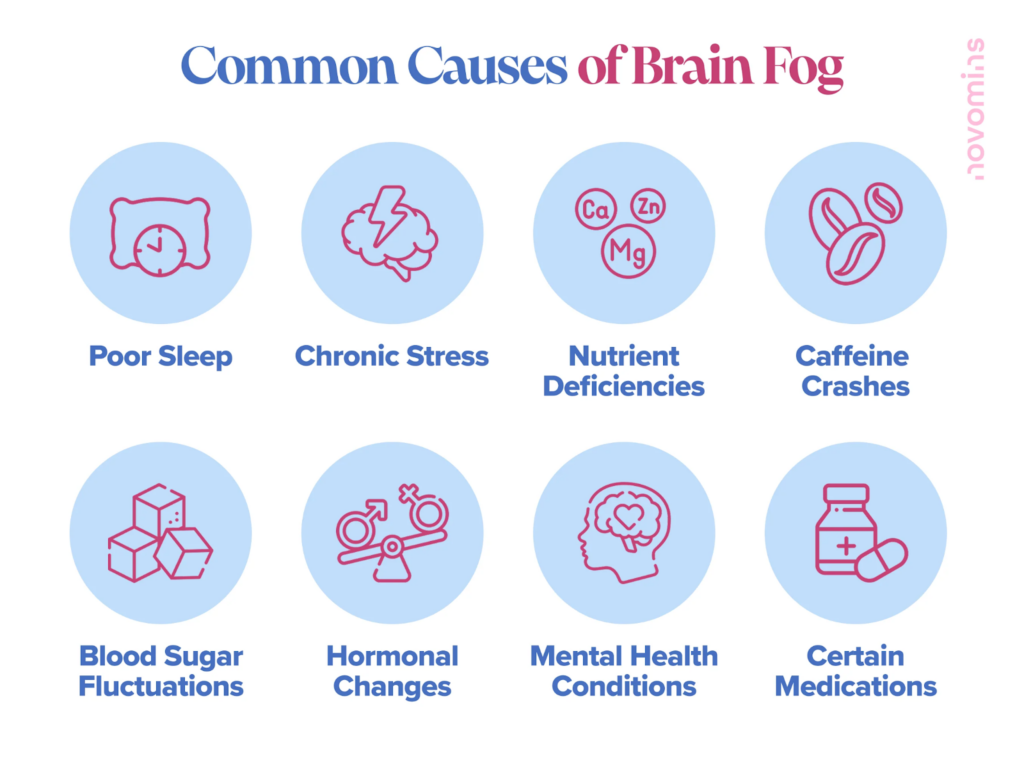
Identifying what's triggering your brain fog is the first step to clearing it fast and preventing it from coming back.
- Poor Sleep: Not getting enough quality sleep or having sleep disorders like insomnia prevents your brain from resting and repairing itself, leaving you foggy and unfocused the next day.
- Chronic Stress: Long-term stress floods your brain with stress hormones that block clear thinking, weaken memory, and drain your mental energy completely.
- Nutrient Deficiencies: Missing key vitamins and minerals like B12, iron, magnesium, and zinc means your brain lacks the fuel it needs to work properly and stay sharp.
- Caffeine Crashes: Too much caffeine or irregular intake causes energy spikes followed by crashes that leave your brain tired, slow, and unable to focus.
- Blood Sugar Fluctuations: Eating too much sugar or skipping meals causes blood sugar to swing up and down, starving your brain of steady energy and creating mental fog.
- Hormonal Changes: Shifts in hormones during periods, pregnancy, menopause, or thyroid problems directly affect brain function, causing forgetfulness and cloudy thinking.
- Mental Health Conditions: Depression, anxiety, and other mental health issues change brain chemistry and drain mental resources, making it hard to think clearly or concentrate.
7 ways to Get Rid of Brain Fog Quickly
When brain fog hits, these fast-acting methods can clear your mind within minutes to hours, helping you regain focus and mental clarity right away.

1. Drink Water Immediately
Even mild dehydration slows your brain function and makes thinking harder. When your brain doesn't get enough fluid, blood becomes thicker, circulation slows, and less oxygen and nutrients reach brain cells, which makes it harder to focus, remember details, or think quickly. You might notice symptoms like dull headaches, tired eyes, or feeling “spaced out” even if you slept well. Rehydrating restores blood flow and helps your brain clear metabolic waste, which is why your thinking often feels sharper shortly after drinking enough water.
How to Do It:
- Drink 500ml (about 2 glasses) of plain water right away, sipping steadily over 5 to 10 minutes instead of chugging it all at once.
- Add a pinch of salt or an electrolyte powder if you've been sweating, drinking lots of caffeine, or feeling lightheaded, as this helps your body absorb and retain the water better.
- Avoid sugary drinks and energy drinks, which can cause a fast blood sugar spike and crash, worsening brain fog later in the day.
- Keep a bottle near your desk or bed and aim to drink small amounts consistently every hour.
- You'll often notice clearer thinking, fewer headaches, and better concentration within 15 to 30 minutes once your body starts correcting dehydration.
2. Take a Cold Shower
Cold water triggers an instant alertness response in your body by stimulating your nervous system and increasing circulation. This sudden change signals your brain to “wake up,” boosting blood flow, oxygen delivery, and the release of energizing hormones like adrenaline and norepinephrine. Many people feel a surge of mental clarity, sharper focus, and improved mood right after stepping out of a cold shower, especially if they were feeling sluggish or mentally drained.
How to Do It:
- Start with warm water for a minute or two, then gradually turn the tap to cold so the temperature drop doesn't feel overwhelming.
- Stay under the cold water for 30 seconds to 2 minutes, focusing especially on your head, neck, upper back, and chest where many nerves and blood vessels are concentrated.
- Breathe slowly and deeply through your nose to manage the shock response and prevent tensing up; this helps your body adapt more quickly.
- If a full cold shower feels too intense, begin with just cold face splashes or end your normal shower with the last 30 to 60 seconds on cold.
- Expect 2 to 4 hours of improved mental clarity and alertness afterward, especially if you combine this habit with hydration and light movement.
3. Move Your Body
Physical activity instantly boosts blood flow and oxygen to your brain, which helps “clear out” that heavy, foggy feeling. Movement also triggers the release of brain chemicals like endorphins and dopamine that improve mood, motivation, and focus. You don't need a long workout or a gym session. Short bursts of movement are enough to wake up your brain, reset your nervous system, and break the mental fatigue cycle.
How to Do It:
- Take a brisk 10-minute walk outside, swinging your arms naturally and focusing your eyes on objects in the distance to reduce screen strain.
- Do 20 to 30 jumping jacks, high knees, or march in place by your desk to get your heart rate slightly elevated without exhausting yourself.
- Try simple stretches or yoga poses like cat-cow, forward fold, or gentle twists to release neck, shoulder, and back tension that contributes to fatigue.
- Set a timer to get up and move for 3 to 5 minutes every 60 to 90 minutes if you sit for long periods.
- Most people feel more awake, mentally lighter, and better able to concentrate within 5 to 10 minutes of moving their body.
4. Practice Deep Breathing
Slow, controlled breathing increases oxygen supply to your brain and helps reverse the shallow, rapid breathing that often comes with stress and brain fog. When you're anxious or overwhelmed, your breathing shifts higher into your chest, which reduces effective oxygen exchange and makes your brain feel tired and unfocused. Deep breathing activates your parasympathetic nervous system, the “rest and digest” mode, calming your body and mind so your thoughts become clearer.
How to Do It:
- Try box breathing: inhale through your nose for 4 counts, hold your breath for 4 counts, exhale slowly through your mouth for 4 counts, then hold again for 4 counts.
- Repeat this cycle 5 to 10 times, which usually takes just 2 to 4 minutes, making it easy to do at your desk, in your car, or during a break.
- Sit comfortably with your back straight, shoulders relaxed, and eyes closed or softly focused to reduce distractions.
- Place one hand on your belly and one on your chest; aim to expand your belly more than your chest with each inhale.
- As you breathe, you'll often notice your heart rate slowing, tension dropping, and mental clarity improving within a few minutes.
5. Get Fresh Air and Sunlight
Staying indoors with stale air and artificial lighting dulls your brain's natural alertness signals and can disrupt your circadian rhythm, which regulates energy and focus. Natural sunlight helps your body produce hormones like serotonin during the day and supports healthy melatonin release at night, both of which influence mental clarity. Fresh air increases oxygen levels, reduces stuffiness, and gives your brain the clean “fuel” it needs to think clearly.
How to Do It:
- Step outside for 10 to 15 minutes, especially in the morning or early afternoon, when natural light is strongest but not harsh.
- Face the sun with your eyes open (without staring directly at it) to allow light to reach your retinas and signal your brain that it's daytime and time to be alert.
- Take slow, deep breaths through your nose, filling your lungs completely, and exhale gently through your mouth to refresh your system.
- Walk around the block, stand on a balcony, sit in your garden, or even just lean out of an open window if going far isn't possible.
- Combining light movement with sunlight and fresh air often leads to noticeable improvements in mood and mental sharpness within 10 to 20 minutes.
6. Take a Power Nap
A short nap can reset your brain without leaving you groggy or interfering with nighttime sleep when done correctly. During a brief nap, your brain clears out waste products, restores energy in overworked neural circuits, and improves memory and attention. The key is keeping it short so you stay in lighter sleep stages; longer naps push you into deep sleep, making you feel heavy, disoriented, and even more foggy when you wake up.
How to Do It:
- Set an alarm for exactly 10 to 20 minutes to prevent slipping into deep sleep; aim for the shorter end if you're very sensitive to naps.
- Find a quiet, dark, or dimly lit place to lie down or recline, and use an eye mask or earplugs if needed to block out light and noise.
- Try napping between late morning and early afternoon, ideally before 3 PM, so it doesn't interfere with your natural sleep drive at night.
- If you like, drink a small cup of coffee right before your nap. The caffeine usually kicks in as you wake up, giving you an extra boost (“coffee nap”).
- You should wake up feeling lighter, more refreshed, and mentally sharper, with better concentration for the next few hours.
7. Limit or Reset Caffeine
Caffeine can both help and hurt brain fog depending on your dose, timing, and daily habits. In small to moderate amounts, it blocks adenosine (a sleepiness chemical) and temporarily improves alertness and focus. However, too much caffeine or drinking it all day builds tolerance, disrupts sleep, and can leave you feeling more foggy, jittery, or anxious, especially when it wears off.
How to Do It:
- If you drink 3 or more cups of coffee or strong tea daily, take a short 2-day break or gradual reduction to reset your sensitivity.
- After the reset, limit caffeine to 1 to 2 cups per day (around 100 to 200mg total) and avoid drinking it later than 2 to 3 PM to protect your sleep.
- Choose cleaner sources like black coffee, green tea, or matcha instead of sugary energy drinks that cause blood sugar swings.
- Pair caffeine with L-theanine (naturally found in green tea or as a supplement) to smooth out jitters and support calm, steady focus.
- Pay attention to how you feel: the best dose is the smallest amount that gives you clearer thinking without anxiety, palpitations, or a crash later.
Medical Conditions Linked to Brain Fog
Several health conditions cause brain fog through inflammation, hormone problems, or poor blood flow to the brain. Treating these underlying issues often clears the mental cloudiness.
| Condition | How It Causes Brain Fog |
| Post-COVID-19 Syndrome | Virus may alter gut microbiome and reduce serotonin production; inflammation-based; can persist for months |
| Depression & Anxiety | Neurotransmitter imbalances and brain chemistry changes impair cognition |
| Chronic Fatigue Syndrome | Persistent fatigue with brain fog as hallmark symptom; causes confusion and inability to focus |
| Fibromyalgia | “Fibro fog” from chronic pain, inflammation, and sleep disruption |
| Thyroid Disorders | Hypothyroidism slows metabolism including brain function |
| Anemia | Low red blood cells reduce oxygen delivery to brain tissue |
| Diabetes | Blood glucose changes affect brain energy supply and function |
| Autoimmune Diseases | Lupus, MS, rheumatoid arthritis cause inflammation or nerve damage |
Symptoms of Brain Fog
Brain fog manifests through various cognitive and mental symptoms that affect your daily functioning and quality of life. Recognizing these signs helps you identify when you're experiencing brain fog and need to take action.
- Difficulty concentrating on tasks or conversations for extended periods
- Forgetfulness and trouble recalling names, words, or recent events
- Slowed thinking and processing information more slowly than usual
- Mental fatigue and exhaustion even after minimal cognitive effort
- Headaches or pressure in the head accompanied by eye strain
- Confusion and feeling disoriented even in familiar situations
- Difficulty finding the right words during conversations
Activities for Brain Fog Relief
Regular activities that engage your body, mind, and social connections help reduce and prevent brain fog over time. Building these habits into your daily routine strengthens brain function, improves focus, and keeps mental clarity sharp.
- Aerobic Exercise: Walking, jogging, swimming, or cycling for 20-30 minutes increases blood flow and oxygen to your brain, clearing mental fog and boosting energy levels immediately.
- Yoga and Stretching: Gentle movements combined with deep breathing reduce stress hormones, improve circulation, and help your mind feel calm and focused.
- Meditation and Mindfulness: Sitting quietly for 10-15 minutes daily trains your brain to focus better, reduces anxiety, and clears mental clutter that causes foggy thinking.
- Puzzles and Brain Games: Crosswords, sudoku, chess, or memory games challenge your brain, strengthen neural connections, and keep your mind sharp and alert.
- Reading: Reading books, articles, or anything that interests you engages your brain actively, improves concentration, and exercises memory and comprehension skills.
- Learning New Skills: Taking up a new hobby, language, or instrument creates fresh brain pathways, improves cognitive flexibility, and keeps your mind engaged and clear.
- Social Conversations: Talking with friends, family, or colleagues exercises your brain's language and social processing areas, reducing isolation that worsens brain fog.
- Creative Activities: Drawing, painting, writing, music, or crafts activate different brain regions, improve mood, and provide mental stimulation that clears foggy thinking.
- Dancing: Moving to music combines physical exercise with coordination and memory, making it a fun way to boost brain function and lift mental fog quickly.
Best Foods to Get Clear Brain Fog
What you eat directly affects how clearly you think. These brain-boosting foods provide essential nutrients that improve focus, memory, and mental energy while reducing inflammation that causes foggy thinking.
| Food | Benefit |
| Fatty Fish (Salmon, Sardines, Mackerel) | Omega-3 DHA for brain cell membranes; improves memory and motor skills |
| Eggs | Choline for neurotransmitter production; improves concentration |
| Leafy Greens (Spinach, Kale) | B vitamins, minerals, antioxidants; reduce inflammation |
| Walnuts | Plant-based omega-3s; vitamin E protects brain cells |
| Blueberries | Anthocyanins protect against oxidative stress |
| Avocados | Monounsaturated fats promote brain blood flow |
| Dark Chocolate (70%+ cacao) | Flavonoids improve blood flow; caffeine for alertness |
| Pumpkin Seeds | Magnesium, zinc, iron, copper for nerve signaling |
| Turmeric | Curcumin reduces inflammation and oxidative damage |
| Whole Grains | Steady glucose for sustained brain energy |
| Green Tea | L-theanine for relaxed focus; antioxidants protect cells |
Best Supplements That May Help With Brain Fog
While whole foods should be your first choice, certain supplements can fill nutrient gaps and support brain function when diet alone isn't enough. Always consult your doctor before starting any new supplement, especially if you take medications or have health conditions.
- Omega-3 Fatty Acids (Fish Oil): Supports brain cell structure and reduces inflammation. Take 1,000-2,000mg daily of combined EPA and DHA for improved memory and focus, with results appearing in 4-12 weeks.
- Vitamin B Complex: Essential for energy production and neurotransmitter function. Take a B-complex containing B6, B9 (folate), and B12 daily, especially important for vegetarians, vegans, and older adults who commonly have deficiencies.
- Vitamin D3: Supports mood and cognitive function, especially important if you get limited sunlight. Take 2,000-4,000 IU daily after testing your levels, with improvements noticed in 8-12 weeks.
- Magnesium L-Threonate: Crosses into the brain better than other forms of magnesium. Take 1,500-2,000mg daily to improve working memory, reduce stress, and support better sleep quality within 4-6 weeks.
- L-Theanine: Promotes calm focus without drowsiness and works especially well with caffeine. Take 100-200mg one to three times daily, with effects felt within 30-60 minutes for reduced anxiety and clearer thinking.
- Bacopa Monnieri: An herb that enhances memory and reduces anxiety. Take 300-600mg daily of a standardized extract, with full benefits appearing after 8-12 weeks of consistent use.
Long-Term Strategies to Prevent Brain Fog
Quick fixes provide temporary relief, but lasting mental clarity requires building healthy habits that support your brain every single day. These long-term strategies address the root causes of brain fog and help prevent it from coming back.
- Prioritize Quality Sleep: Aim for 7-9 hours of sleep each night on a consistent schedule to allow your brain to repair, clear toxins, and consolidate memories properly.
- Manage Stress Effectively: Practice daily stress relief through meditation, deep breathing, or therapy to keep chronic stress hormones from damaging your brain's memory and focus centers.
- Exercise Regularly: Get at least 30 minutes of movement most days to boost blood flow to your brain, improve mood, and protect against cognitive decline.
- Eat a Brain-Healthy Diet: Follow a diet rich in whole foods, vegetables, healthy fats, and omega-3s while limiting processed foods and sugar for steady mental energy.
- Stay Mentally Active: Challenge your brain regularly by learning new skills, reading, doing puzzles, or taking classes to build cognitive reserve and keep thinking sharp.
- Maintain Social Connections: Spend regular quality time with friends, family, and community since loneliness and isolation worsen mental cloudiness and cognitive decline.
- Manage Chronic Health Conditions: Keep diabetes, high blood pressure, thyroid problems, and other conditions well-controlled through medication and lifestyle changes to prevent persistent brain fog.
When to See a Doctor About Brain Fog
While most brain fog improves with lifestyle changes, certain symptoms require professional medical evaluation to rule out serious underlying conditions.
Seek Immediate Medical Attention If:
- Sudden severe confusion or disorientation appears out of nowhere
- Brain fog comes with high fever and stiff neck, which could signal meningitis
- You experience severe headache, vision changes, weakness, or trouble speaking
- Brain fog follows a head injury or fall
- You have chest pain, difficulty breathing, or rapid heartbeat along with confusion
Schedule a Doctor Appointment If:
- Brain fog persists for more than 2-3 weeks despite trying lifestyle improvements
- Symptoms progressively worsen over time instead of getting better
- Brain fog significantly interferes with your work, daily activities, or relationships
- You experience unexplained weight changes, extreme fatigue, or mood shifts
- Memory problems become severe enough that others notice and express concern
- You suspect medication side effects or have recently started new prescriptions
Brain Fog Myths and Facts
Many misconceptions about brain fog prevent people from seeking help or trying effective solutions. Understanding the truth helps you take the right steps to clear your mind and regain mental clarity.
| Myth | Fact |
| Brain fog is just laziness or lack of willpower | Brain fog is a real symptom caused by physical changes in brain function, not a character flaw |
| Only older people get brain fog | People of any age can experience brain fog from stress, poor sleep, diet, or medical conditions |
| There's nothing you can do about it | Brain fog is highly treatable and often reversible with lifestyle changes and proper care |
| Brain fog means you're developing dementia | Brain fog is usually temporary and unrelated to dementia; it doesn't indicate permanent brain damage |
| You need expensive treatments to fix it | Many effective solutions like sleep, hydration, exercise, and stress management are free or low-cost |
| Supplements don't work for brain fog | Research-backed supplements like omega-3s, B vitamins, and magnesium can effectively support brain function |
| Brain fog during your period is normal and unavoidable | Hormonal brain fog is real but manageable through diet, supplements, and lifestyle adjustments |
Conclusion
Brain fog doesn't have to control your life or limit your potential. While it feels frustrating and overwhelming, remember that it's a symptom pointing to fixable problems, not a permanent condition. Start with simple changes like drinking more water, improving your sleep, moving your body, and eating brain-healthy foods. These basic steps often provide significant relief within days to weeks. If brain fog persists despite your efforts, don't hesitate to see a doctor to check for underlying health issues like nutrient deficiencies, thyroid problems, or hormone imbalances. The combination of quick relief strategies, proper nutrition, targeted supplements when needed, and long-term lifestyle habits gives you the best chance at lasting mental clarity. Your brain has remarkable healing ability when given the right support. Take action today, stay consistent with healthy habits, and watch your mental fog lift as your focus and energy return.