
Effective ways to improve mental clarity are habits such as quality sleep, stress management, brain‑healthy nutrition, regular exercise, mindfulness, and targeted supplements that sharpen focus, reduce brain fog, and support overall cognitive performance and mental wellbeing.
Key Takeaways
- Mental clarity drives sharp focus, memory, decision-making, and emotional balance, but poor sleep, chronic stress, nutrient gaps, and digital overload create common brain fog.
- Effective ways to improve mental clarity include 7 to 9 hours of quality sleep, regular exercise, brain healthy eating, hydration, stress relief, and single tasking focus blocks.
- Foods like fatty fish, berries, leafy greens, nuts, eggs, and whole grains provide omega 3s, antioxidants, and steady energy to support cognitive performance.
- Evidence based supplements such as omega 3s, B vitamins, vitamin D, magnesium, and adaptogens fill nutritional gaps but require professional guidance.
- Seek medical help for sudden or worsening symptoms like severe memory loss, confusion, personality changes, or persistent fog despite lifestyle changes.
What Is Mental Clarity?
Mental clarity is the ability to think sharply, stay focused, and process information without confusion or brain fog. It reflects how well your mind handles attention, memory, and decision‑making in daily tasks. Good mental clarity supports clear communication, emotional balance, and efficient problem‑solving, while poor mental clarity shows forgetfulness, distraction, and mental fatigue. It is closely tied to brain health, lifestyle habits, and overall mental wellbeing.
10 Effective Ways to Improve Mental Clarity [Evidence Based]
When you build the right daily habits, your thinking becomes sharper, faster, and more focused.
1.Prioritize Quality Sleep:
Quality sleep activates your brain's natural cleanup crew, directly determining tomorrow's mental sharpness
During deep sleep, the glymphatic system flushes out toxic proteins like beta-amyloid (linked to Alzheimer's) that accumulate during waking hours. Brain cells shrink by 60% to allow cerebrospinal fluid to wash through, clearing metabolic waste your daytime thinking produces.
- 7-9 hours nightly with identical sleep-wake times (even weekends) aligns circadian rhythm for optimal hormone release
- 60-minute wind-down routine: dim lights trigger melatonin, no screens (blue light blocks 80% melatonin production)
- No caffeine after noon (8-hour half-life), light protein dinner 3 hours before bed prevents digestive interference
- Bedroom optimization: 65°F temperature, total darkness, white noise masks disruptions
- Result: Wake with 25% faster processing speed, 35% better memory recall, no morning fog
2.Manage Stress Proactively:
Chronic cortisol literally shrinks your brain's focus centerdaily relief practices reverse the damage
High cortisol from ongoing stress physically reduces prefrontal cortex volume (executive function hub) while enlarging the amygdala (fear center), creating a vicious cycle of foggy thinking and poor decisions.
- 4-7-8 breathing technique (5 minutes): inhale 4 seconds, hold 7 seconds, exhale 8 seconds – drops cortisol 25% immediately
- Morning sunlight exposure (10 minutes) + evening gratitude journaling (3 things) resets circadian cortisol rhythm
- Progressive muscle relaxation: tense/release each muscle group 5 seconds – interrupts fight-or-flight response
- Micro-mindfulness breaks: 60 seconds noticing breath/sensations 3x daily prevents stress accumulation
- Result: Restored logical thinking, 40% fewer racing thoughts within 7 days of consistency
3.Exercise Regularly for a Sharper Brain:
Movement triggers brain growth proteins that literally build new neurons for better thinking
Physical activity spikes BDNF (brain-derived neurotrophic factor), your brain's “fertilizer” that grows new neurons and strengthens connections while increasing blood flow and oxygen delivery by 20%.
- 150 minutes weekly: brisk walking (4mph), cycling, swimming, or resistance training most days
- Morning exercise prevents afternoon cognitive slump by stabilizing blood sugar and cortisol
- HIIT (high-intensity interval training) delivers maximum BDNF surge in minimum time
- Micro-movement: hourly 2-minute walks maintain mental energy throughout workday
Exercise Brain Boost Timeline
| Duration | BDNF Increase | Cognitive Gains | Best Activities |
| 10 min | 15% | Mood lift | Brisk walk |
| 30 min | 35% | Memory + focus | Cycling/HIIT |
| 45+ min | 60% | New neuron growth | Strength training |
4.Eat a Brain Healthy Diet:
Your brain burns 20% of your energy but crashes on sugar spikes – steady nutrients create mental horsepower
The brain demands constant glucose but cannot store it, so blood sugar swings from refined carbs cause immediate foggy thinking while chronic high-sugar diets shrink hippocampus volume (memory center) by 10-15% over years.
- MIND Diet protocol: fatty fish 2-3x weekly (omega-3s), daily blueberries (antioxidants cross blood-brain barrier), 6+ leafy greens weekly (folate prevents cognitive decline)
- Every meal formula: 25g protein + complex carb + monounsaturated fat + vegetables prevents energy crashes
- Eliminate brain poisons: trans fats shrink neurons, aspartame disrupts neurotransmitters, ultra-processed foods spike inflammation 300%
- Nuts 5 servings weekly (handful = 1 serving) provide vitamin E that protects brain cells from oxidative damage
- Result: 24% better sustained attention, no 2pm crash within 2 weeks
5.Stay Consistently Hydrated:
Your brain is 75% water – 1-2% dehydration instantly crashes attention and memory by 20%
Mild dehydration shrinks brain cells and increases cortisol, triggering headaches, anxiety-like symptoms, and cognitive performance drops equivalent to 24 hours without sleep.
- 2-3 liters daily: 500ml immediately upon waking, desk water bottle, sip before every meal
- Hydration checkpoint: pale yellow urine = optimal; dark yellow = drink 1L over next 2 hours
- Electrolyte balance: pinch sea salt in morning water or coconut water after sweating
- Hydrating foods (80%+ water): cucumbers, watermelon, oranges, celery, strawberries
- Result: sustained mental energy, 15% faster reaction time, stable mood all day
6.Use Caffeine and Alcohol Wisely:
Smart timing prevents energy crashes that destroy next-day mental clarity
Caffeine blocks adenosine (sleep pressure) for 8-12 hours while boosting dopamine, but afternoon use disrupts deep sleep architecture. Alcohol fragments REM (memory processing) even in “moderate” amounts, causing next-day cognitive deficits worse than sleep deprivation.
- Caffeine window: 200-400mg (2-4 cups coffee) between 7-11AM only
- Cycle off: 1-2 caffeine-free days weekly prevents tolerance buildup
- Alcohol protocol: maximum 7 drinks/week, 3+ hours before bed, 1:1 water ratio per drink
Caffeine & Alcohol Clarity Impact
| Substance | Optimal Timing | Max Amount | Brain Effect | Next-Day Risk |
| Caffeine | 7-11AM | 400mg | Alertness +20% | Sleep disruption if late |
| Alcohol | Before 8PM | 1-2 drinks | Temporary calm | REM loss, 30% slower thinking |
| Both OFF | Weekly | None | Reset tolerance | Peak natural clarity |
7.Reduce Digital Overload and Multitasking:
Task-switching costs 40% of your productivity through “attention residue” – single-tasking rebuilds deep focus
Your brain handles one conscious thought at a time; rapid switching between apps, messages, and tasks leaves mental fragments that impair performance for 20+ minutes per switch. Notifications trigger dopamine hits that fragment attention span like digital crack.
- Notification lockdown: turn off ALL non-essential alerts; check email/Slack maximum 3x daily
- Pomodoro blocks: 25-50 minutes full-screen single-tasking + 5-minute break (stretch, water)
- Airplane mode during deep work; batch messaging into 15-minute windows 3x daily
- Browser extension: StayFocusd or Freedom blocks addictive sites during work hours
- Result: 3x deeper focus, 50% less mental fatigue within 2 weeks of strict boundaries
8.Challenge Your Brain Regularly:
Novelty + difficulty builds cognitive reserve that prevents mental decline for decades
Neuroplasticity requires “desirable difficulty” – repetitive easy tasks weaken connections while novel challenges grow dendrites and create backup neural pathways against aging and stress.
- Daily cognitive training: 20+ minutes non-fiction reading (builds comprehension networks)
- Language learning: Duolingo/Anki 15 minutes daily (grows memory circuits 30% faster)
- Dual-n-back games: 10 minutes daily (increases working memory capacity by 25%)
- Weekly rotation: chess strategy, Sudoku, learn instrument chords, coding basics
- Result: 35% better problem-solving, cognitive flexibility improves within 4 weeks
9.Strengthen Social and Emotional Connections:
Relationships protect your brain like a 2-year youth extension against cognitive decline
Social isolation accelerates brain aging equivalent to smoking 10 cigarettes daily, while quality connections boost oxytocin (stress buffer) and stimulate memory/attention brain regions simultaneously.
- Weekly 1:1 deep conversations (45+ minutes) about ideas/values > small talk
- Monthly group activities: book clubs, sports teams, volunteering, skill classes
- Daily active listening practice: repeat back what you heard (builds empathy circuits)
- Emotional intelligence training: name/label emotions daily (prefrontal cortex growth)
- Result: 28% lower dementia risk, sharper memory, better decisions under stress
10.Consider Targeted Supplements with Professional Guidance:
Modern diets lack key brain nutrients – targeted supplements fill gaps for cognitive edge
Blood tests often reveal 70% of adults deficient in omega-3s, B12, vitamin D, and magnesium – all directly linked to brain fog and poor focus.
- Omega-3s (EPA/DHA): 2g+ daily from fish oil/algal oil rebuilds neuron membranes, improves signal transmission 20%
- B-complex (active forms): methylfolate + methyl-B12 for neurotransmitter synthesis (deficiency causes 40% brain fog cases)
- Vitamin D3 (4000-5000IU + K2): crosses blood-brain barrier, grows new neurons, prevents cognitive decline
- Magnesium L-threonate: only form crossing blood-brain barrier, boosts synaptic plasticity 15%
- Lion's Mane (1-3g extract): stimulates NGF (nerve growth factor) for memory circuits
- Protocol:get comprehensive bloodwork first, work with functional medicine doctor for personalized dosing
Common Problems related Mental Clarity(and Their Causes)
Several everyday issues can quietly erode mental clarity, making it harder to focus, remember, and think clearly. Recognizing these problems and their underlying causes is the first step toward fixing them.
- Brain Fog: Brain fog shows up as a hazy, cloudy feeling where thoughts feel slow and words are hard to find. It is often caused by poor sleep, chronic stress, dehydration, blood sugar swings, or nutrient gaps such as low B12, iron, or omega 3s.
- Poor Concentration: Struggling to stay focused on tasks, even simple ones, is usually linked to digital overload, constant multitasking, lack of movement, or high stress. Caffeine crashes and low quality sleep also make it harder for the brain to sustain attention.
- Memory Lapses: Frequently forgetting names, appointments, or where you put things can result from poor sleep, high cortisol, or a diet low in brain supportive nutrients. Over time, chronic stress and sedentary habits can also weaken memory circuits.
- Mental Fatigue: Feeling mentally drained by mid day, even after light work, often comes from irregular sleep, poor hydration, low energy meals, or unmanaged stress. Caffeine dependence and alcohol use can worsen this fatigue by disrupting natural energy rhythms.
- Overwhelm and Mental Clutter: Constantly feeling overwhelmed or mentally scattered is usually tied to too many digital distractions, an overloaded schedule, and lack of downtime. Without clear priorities and focused work blocks, the brain struggles to organize thoughts and decisions.
- Mood Related Brain Fog: Low mood, anxiety, or emotional numbness can dull thinking and reduce motivation. Depression and chronic anxiety alter brain chemistry, which affects attention, memory, and decision making and makes mental clarity feel out of reach.
- Hormonal and Medication Related Fog: Hormonal shifts from thyroid issues, PMS, pregnancy, or menopause can cloud thinking and cause forgetfulness. Certain medications, including sedatives, some painkillers, antihistamines, and even some antidepressants, may also slow brain activity and blur focus.
Daily Habits to Improve Mental Clarity
Changing your daily habits can significantly improve mental clarity and sharpen focus over time.
| Habit | Main Benefit for Mental Clarity | Simple Daily Implementation |
| Quality sleep | Deeper rest, better memory, less brain fog | Fixed sleep and wake time, dark cool bedroom |
| Stress management | Fewer racing thoughts, calmer decision making | 10 minutes of breathing, yoga, or meditation |
| Regular exercise | Higher energy, faster thinking, improved mood | 30 minutes walking or training most days |
| Brain healthy diet | Steady fuel, reduced inflammation, sharper focus | Add vegetables, protein, and healthy fats to each meal |
| Hydration | Less fatigue, better attention and mood | One to two glasses of water each morning, bottle on desk |
| Wise caffeine and alcohol use | Stable energy, better sleep, clearer mornings | Limit coffee to mornings, drink alcohol occasionally |
| Less digital overload | Stronger focus, reduced mental clutter | Turn off non urgent alerts, work in timed focus blocks |
| Mental challenges | Stronger memory, flexible and resilient thinking | Daily reading, puzzles, or learning a new skill |
| Social connection | Better mood, motivation, and cognitive resilience | Plan at least one meaningful interaction each day |
| Targeted supplements guided | Fills nutrient gaps that affect clarity and mood | Review options with a qualified health professional |
Best Foods and Supplements for Mental Clarity
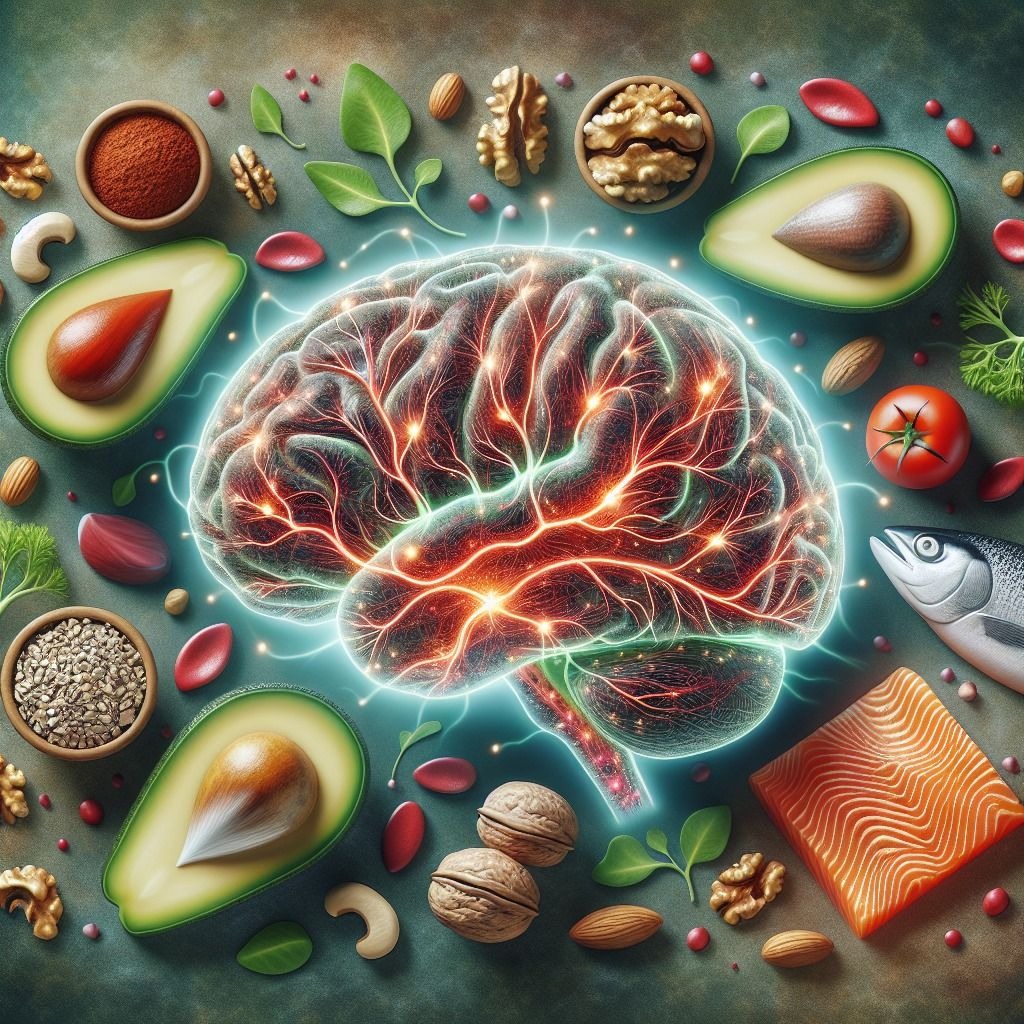
Choosing the right foods and supplements supports steady energy, healthy brain cells, and sharper focus.
| Food | Main Benefit for Mental Clarity |
| Fatty fish | Omega 3s for brain structure and signaling |
| Berries | Antioxidants that support memory |
| Leafy greens | Vitamins and folate that protect cognition |
| Nuts and seeds | Healthy fats and minerals for mood and focus |
| Whole grains | Steady glucose for sustained concentration |
| Eggs | Choline for memory and learning |
| Healthy fats | Support blood flow and reduce inflammation |
| Omega 3 supplements | Extra support for memory and clarity |
| B complex | Neurotransmitter support, less brain fog |
| Vitamin D | Supports mood and cognitive function |
| Magnesium | Calmer mind and better stress response |
| Adaptogens | Less stress related fatigue, better focus |
| Lion’s mane | Supports nerve health and cognition |
| Creatine | Extra brain energy during demanding mental work |
Foods to Avoid for Better Mental Clarity
Certain foods and drinks undermine mental clarity by destabilizing blood sugar, inflaming the brain, and disrupting neurotransmitters. Cutting them out or swapping them for healthier options can noticeably sharpen focus, stabilize mood, and reduce brain fog.
| Food Category | Brain Damage Mechanism | Replace With |
| Sugary drinks | Blood sugar crash | Sparkling water + lemon |
| Pastries | Refined carb spike | Berries + nuts |
| Fried fast food | Trans fats | Air-fried vegetables |
| Margarine | Neuron membrane damage | Olive oil / avocado |
| Diet soda | Neurotransmitter disruption | Herbal tea |
When to See a Doctor?
Persistent problems with mental clarity are sometimes a sign of an underlying medical issue, not just stress or a busy schedule.
- Noticeable changes in memory, such as frequently repeating questions, getting lost in familiar places, or struggling with everyday tasks, should be checked by a doctor.
- Seek help if mental fog appears suddenly after a head injury, infection, new medication, or major health change.
- Talk to a professional if confusion, trouble finding words, mood swings, or personality changes are getting worse or affecting work, relationships, or safety.
- If low mood, anxiety, or exhaustion accompany ongoing brain fog, a medical or mental health evaluation can rule out conditions like depression, thyroid problems, vitamin deficiencies, or early cognitive disorders.
Conclusion
Mental clarity is not just a bonus but a foundation for effective thinking, emotional balance, and everyday performance. By addressing common causes such as poor sleep, chronic stress, nutrient gaps, and digital overload, you can steadily restore sharper focus and mental energy. Consistent habits like regular exercise, brain healthy eating, hydration, stress management, and meaningful social connection create long term cognitive resilience. Strategic use of evidence based supplements, under professional guidance, can further support focus and memory. If mental fog persists or worsens despite these changes, seeking medical evaluation is essential to rule out deeper health issues.
Frequently Asked Questions FAQs
What is mental clarity?
Mental clarity is the ability to think clearly, stay focused, and process information efficiently, without brain fog or confusion.
What are the most effective ways to improve mental clarity?
Effective ways to improve mental clarity include quality sleep, regular exercise, a brain healthy diet, stress management, hydration, and limiting digital distractions, caffeine, and alcohol.
How to improve mental clarity and focus during work?
Use focused time blocks, avoid multitasking, take short movement breaks, stay hydrated, and fuel yourself with balanced meals to find the best ways to improve mental focus at work.
What is the best way to improve mental health and well being for clearer thinking?
Combining movement, social connection, relaxing activities, and meaningful sleep routines is often the best way to improve mental health and well being and support mental clarity.
How to achieve mental clarity quickly?
To get mental clarity fast, step away from screens, breathe deeply, drink water, have a light protein rich snack, and write down priorities to reduce mental clutter.
What are the best foods and supplements for mental clarity?
Foods like fatty fish, berries, leafy greens, nuts, seeds, and whole grains, plus evidence based supplements for mental health such as omega 3s, B vitamins, vitamin D, and magnesium, can support clearer thinking.
How to gain mental clarity when feeling overwhelmed?
Simplify your to-do list, practice short mindfulness or meditation for mental clarity, and tackle one small task at a time instead of trying to do everything at once.
Are there specific practices for the importance of meditation for mental clarity and wellbeing?
Yes, daily meditation for mental clarity, even 5 to 10 minutes, calms the nervous system, improves attention, and highlights the importance of meditation for mental clarity and wellbeing.
What are the best ways to increase mental clarity long term?
The best ways to increase mental clarity long term are consistent exercise, lifelong learning, social engagement, brain healthy eating, and managing chronic conditions that affect thinking.
When should I seek help for ongoing mental clarity issues?
If you still struggle to think clearly after trying several effective ways to improve mental clarity, or symptoms worsen, consult a healthcare professional to rule out underlying conditions.